In 2020, Jakob Engel walked his Way of St. James from Görlitz to Trier in 45 days. On his 1010 km long route, he set off from Görlitz in August in midsummer temperatures and arrived in Trier in the fall and in the rain on October 2, walking four official German Camino de Santiago routes in succession. We have therefore divided his pilgrimage report into these four articles:
Part 1: Via Regia
Part 2: Elisabethpfad (you are currently reading this part)
Part 3: Lahn Camino
Part 4: Mosel Camino.
Part 2
Elisabeth Trail – from Eisenach to Marburg
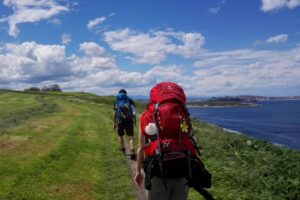
After taking a look at Eisenach and having a rest, I hiked along the Elisabeth Trail to Marburg. The Elisabeth Trail is largely identical to the Way of St. James, although it is a little longer and, according to the hiking guide, more scenic.
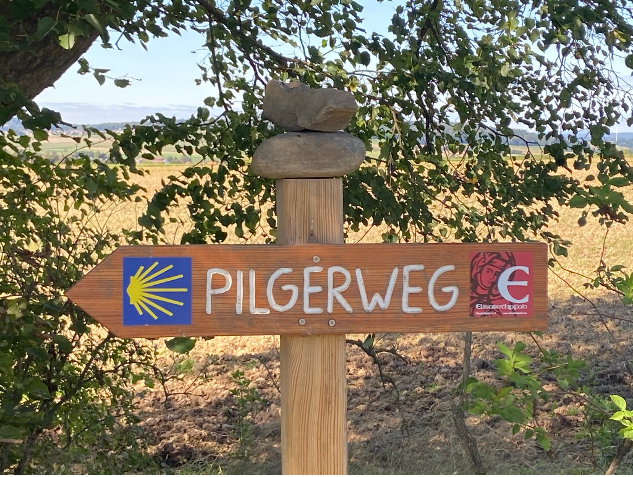
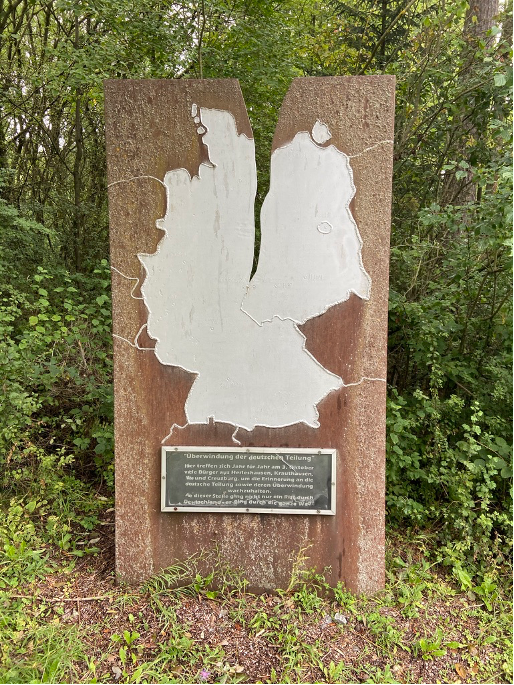
I continued to experience German history on the Elisabeth Trail. On the first stage, I crossed the former border strip, now known as the Green Belt, twice and thus experienced recent German history. The former German-German border is marked with a memorial, which I think is a success. The couple I stayed with in Ifta, in the former restricted area of the border, told me a little about this part of our history. Thank you very much!
A useful tip from me in between:
Things that I realized on the way that I didn’t need or no longer needed, like the pilgrim guides after each stage, I put in an envelope and sent to my home. This kept my rucksack as light as possible.
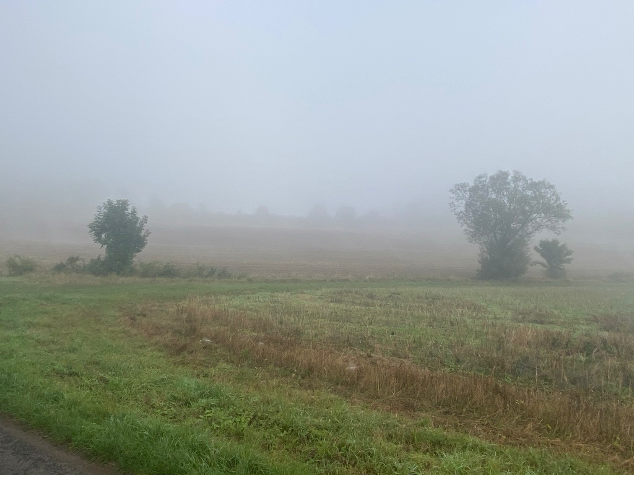
After midsummer temperatures on the Via Regia in Saxony, Saxony-Anhalt and Thuringia, the first signs of fall appeared in Hesse. Here, after crossing the state border, I experienced my first foggy morning with 6 degrees. It was a very atmospheric morning!
The landscape of the Elisabeth Trail was very different from the Via Regia, with a low mountain range landscape and wide valleys, mountains and forest. After the wide open spaces and flat fields of the Via Regia, I really enjoyed experiencing hills and valleys again.
In two of the small towns along the way, the guesthouse owners told me straight away that I wouldn’t find anything to eat in the evening as there were no stores, restaurants or snack bars. The nice ladies then offered to cook for me. It was a very nice gesture and very tasty to boot. Hospitality was usually very important along my route, and this was the icing on the cake. Ifta and Reichenbach were these two lovely places! In Reichenbach, every pilgrim should definitely try the delicious ice cream from my hosts’ ice cream van! Highly, highly recommended.
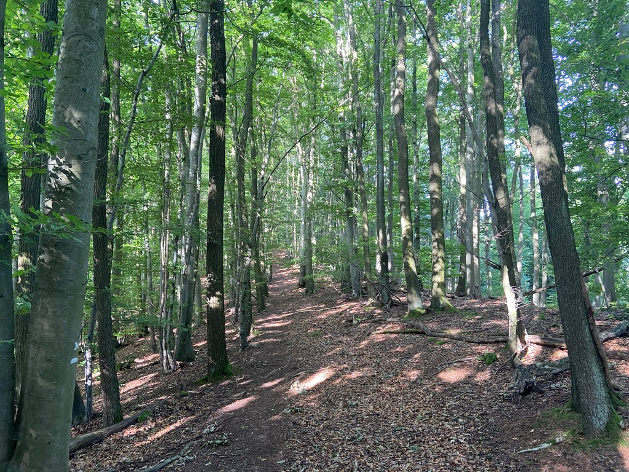
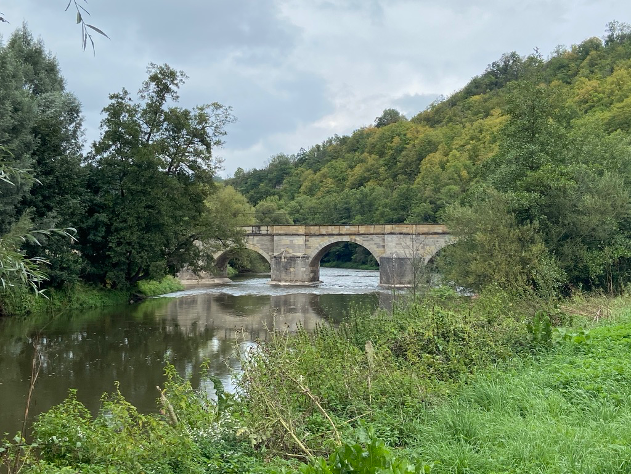
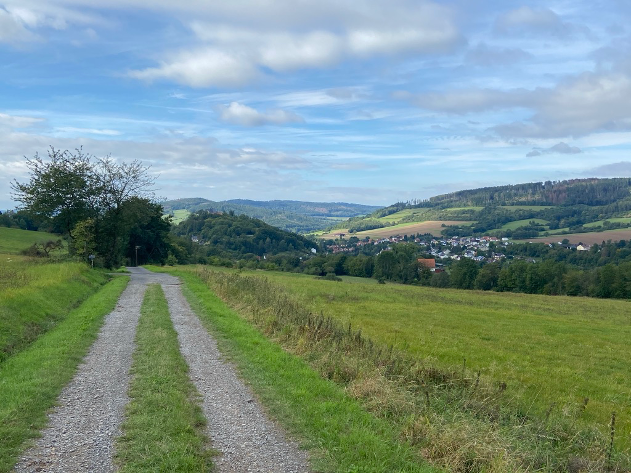
In terms of scenery, the Elisabeth Trail was the most beautiful part of my Way of St. James. I say this because I found every section of the path very beautiful. What I particularly remember are the many small churches where the parishes provided free water for the pilgrims. This small gesture always made me happy.
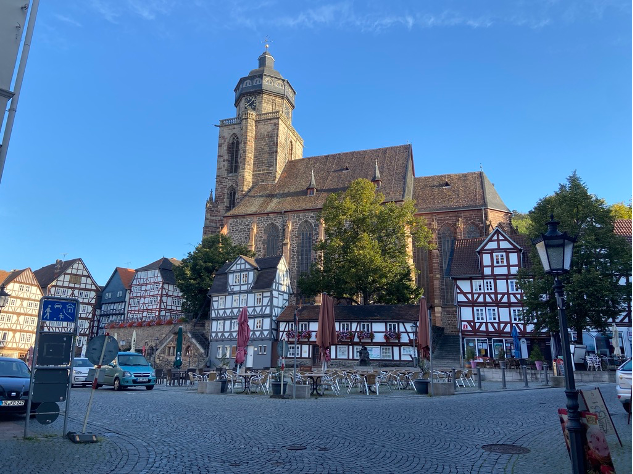
The longer I hiked, the more I enjoyed being on my own. My head became clearer and clearer and I was able to perceive myself, my path and my surroundings much more intensely. Pilgrimage days are very “simple” and therefore wonderful. All I had to do was get up in the morning, have breakfast, get ready, start walking, arrive, eat something, sleep and then the next day could start. When I got back home, I first had to get used to a different routine. It took a few weeks before I felt like I had arrived again.
Marburg lies at the end of the path. A real gem of a city. I took a small student apartment in a 400-year-old house and stayed there for 3 nights. For me, Marburg was the most beautiful city along the trail! I will be back!
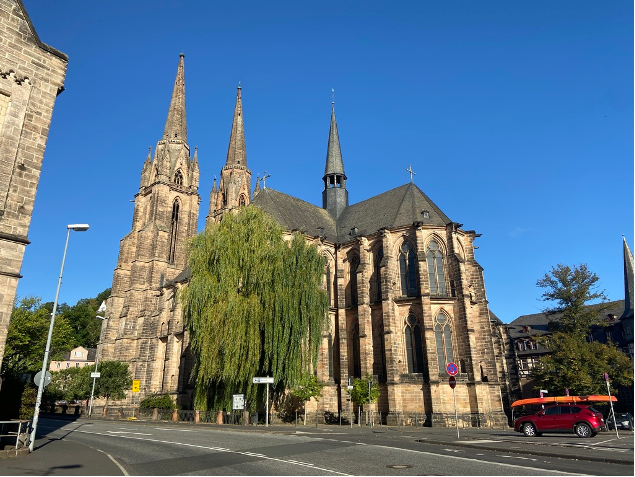
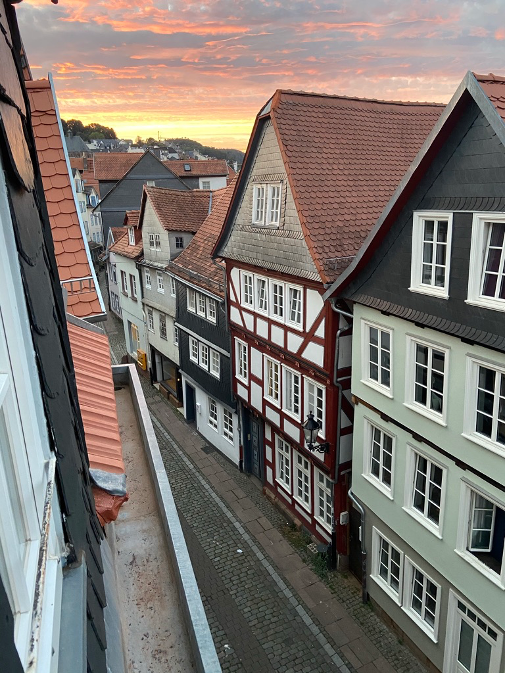
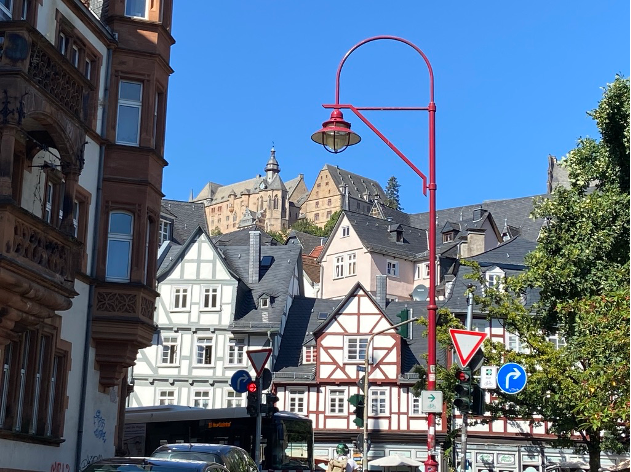
Conclusion of the Elisabeth Trail:
I love the low mountain ranges!
And it was the right decision to make a pilgrimage across Germany. The length of time on my Way of St. James played an important role for me. In hindsight, I’m grateful that I wasn’t able to walk the coastal path in Spain.
My stops on the Elisabeth Trail:
- Ifta
- Hoheneiche
- Reichenbach
- Malsfeld
- Homberg (Efze)
- Frielendorf
- Treysa
- Stadtallendorf
- Marburg
Continue to part 3: Lahn-Camino