

Town on the Camino
Santander
Cantabria, Spain
- places to stay
- 25
- Caminos
- 2
- Elevation
- 16 m
Santander welcomes you from the water: the boat from Somo docks at the Paseo de Pereda, a few minutes from the cathedral. Beneath it lie the relics of the city's patron saints on Roman baths; above it, a city rebuilt after the fire of 1941. An afternoon is enough; the stage that follows is long.
Right now in Santander (as of October 2026)
- Pilgrim hostel: According to Gronze, the Santos Mártires hostel is open from 1 April to 30 November; another source says all year. If you arrive in December or in winter, call ahead or book via WhatsApp.
How long to stay?
An afternoon is enough, but Santander is a good place for a rest day. From Güemes you are usually here by early afternoon, and everything important is close together: the cathedral and its lower church, the remains of the town wall, the market halls. If you want to see the Palacio de la Magdalena or El Sardinero beach, you need more time. Above all, think of the next stage: it is almost 38 kilometres to Santillana del Mar, and it is worth splitting. A quiet afternoon and an early start are wiser here than a full day of sightseeing.
Santander in Ninja numbers
- 563 kilometres are still left from the cathedral to Santiago.
- About 5 kilometres of the last stretch before the city you cover by boat.
- 14 hectares of the old town burned down in February 1941, 37 of the oldest streets. Around 10,000 people lost their homes.
- 128 days a year it rains here on average, most of all in November.
- 37.8 kilometres is the length of the next stage to Santillana del Mar if you walk it in one day.
Arriving: across the water into the city
You rarely arrive in a big city like this: from the pier in Somo you see Santander on the other side of the bay, then the boat carries you over. It docks at the Paseo de Pereda, right on the waterfront promenade. From there it is only a few minutes' walk to the cathedral, the old town and the pilgrim hostel on Calle Ruamayor near the town hall. If you walk round the bay instead of taking the boat, you come via El Astillero to Peñacastillo and never touch the centre.
In brief: heads, an explosion and a fire
The Romans knew the harbour as Portus Victoriae. In the 8th century the relics of the martyrs Emeterius and Celedonius came here, their heads, according to tradition. King Alfonso II founded an abbey for them, the Abadía de los Cuerpos Santos. It stood over Roman baths, and it became today's cathedral. Santander has only been a bishop's see since the middle of the 18th century, when the diocese was separated from Burgos.
Twice disaster struck the city and changed it. On 3 November 1893 the steamship Cabo Machichaco exploded in the harbour with around 40 tonnes of dynamite on board; about 590 people died. On the evening of 15 February 1941 a fire broke out in Calle Cádiz. A south-easterly gale drove it through the old town until 37 streets and the cathedral were destroyed. Most of what you see today was built afterwards. Reconstruction was largely complete by 1954.
The city beneath the city
What is special about Santander lies underground. The lower church of the cathedral, the Iglesia del Cristo, dates from the 12th century and survived the fire. It is low, with sturdy columns and plant motifs on the capitals. This is where the relics of the two patron saints are venerated, and where you can see remains of the Roman baths over which the first sanctuary was built. For pilgrims it is a quiet place: you come off a centuries-old pilgrim route into a church almost as old that survived a great fire.
The town wall, too, lies beneath the pavement. Excavations at the Plaza Porticada uncovered its remains in 2006. About 25 metres between the sea gate and a small side gate can be visited on guided tours.
On foot through the new old town: what to see
Everything important is close to the hostel.
- Cathedral and Iglesia del Cristo: The Gothic upper church with Baroque chapels and a Gothic cloister was restored after 1941, and the chancel and bell tower were rebuilt. Below lies the 12th-century lower church with the relics and the Roman remains. Most recently the cathedral was open Monday to Friday 10:00–13:00 and 16:30–19:00, Saturday afternoons until 20:00, Sundays and holidays 10:00–13:30 and 17:00–21:00 (as of March 2025). Guided tours of the tower and the interpretation centre cost €3.
- The medieval wall: You can only see the remains under the Plaza Porticada on a guided tour. It costs €3, and you sign up at the tourist office in the Jardines de Pereda (as of March 2025). A good place to understand how small Santander was in the Middle Ages: the wall was less than one and a half kilometres long.
- Mercado del Este and Mercado de la Esperanza: The small Mercado del Este market hall also houses a tourist office and is fine for a simple lunch. The larger Esperanza has more choice and is the best place to shop for pilgrims using the hostel kitchen.
- Palacio de la Magdalena: The palace at the eastern end of the peninsula was paid for by the citizens and served King Alfonso XIII as a summer residence. Visits by guided tour only, at set times; the entrance fee is small. A destination for a rest day.
Honestly
- Little old above ground. If you expect a medieval old town, you will be disappointed. After the fire of 1941 the centre was rebuilt; the old part lies in the cathedral and beneath the pavement.
- Getting out is tedious. The way out of the city runs through residential and industrial areas via Cajo and Peñacastillo. It is a succession of urban and industrial zones; pretty it is not.
- The next stage is long. It is 37.8 kilometres to Santillana del Mar with almost 700 metres of ascent. Plan an intermediate stop.
- Rain is normal. October and November are the wettest months here. Pack your rain jacket on top.
Where pilgrims sleep
The pilgrim hostel is the Albergue de Peregrinos Santos Mártires on Calle Ruamayor, a few minutes from the cathedral. It is run by the Amigos del Camino de Santiago de Santander, and volunteer hospitaleros welcome the pilgrims. A bed costs €15 (as of October 2026). It opens at 13:00 and closes at 22:00, in July and August at 23:00. You can book, also via WhatsApp. There is a kitchen, a washing machine and a dryer, and you can get a credencial here for €4.
There are also several private hostels in the centre with dormitory beds from about €20 to €34 (as of October 2026). We have not found a donativo or parish hostel in Santander.
Ninja tips
- Book the hostel. Santos Mártires accepts bookings, also via WhatsApp. It is right on the Camino, so in the morning you set off straight from the door.
- Don't miss the lower church. Down in the Iglesia del Cristo lies what makes the city older than it looks: relics, Roman baths, the twelfth century.
- Split the next stage. Boó de Piélagos is 13.5 kilometres beyond Santander, Polanco a good 27. Both are common intermediate stops before Santillana.
- The local train is allowed. If you want to skip the urban exit, take the Cercanías train to Mortera or Boo. Some pilgrims do.
- Not over the railway bridge. Between Boo and Mogro the bridge over the Pas is not a footpath. On foot you go via Arce, or you take the train for that one stop.
Practical tips for pilgrims
- Credencial and stamp: At the pilgrim hostel you get a credencial for €4 and a stamp.
- Shopping: The Mercado de la Esperanza and Mercado del Este market halls are in the centre.
- Tourist information: In the Jardines de Pereda, close to the pier. This is where you sign up for the tours of the wall and the tower.
- Rain gear: In autumn it belongs on top of your pack. On average 115 millimetres fall in October and 152 in November.
Onward: through the suburbs to the west
The Camino del Norte leaves Santander at the cathedral via Calle Alta, then through Cajo and Campogiro to Peñacastillo. After that it passes under the S-20 motorway to Santa Cruz de Bezana, Mompía and Mortera and reaches Boó de Piélagos after 13.5 kilometres. Carrying on, you come via Arce and Polanco to Santillana del Mar, 37.8 kilometres in all with 682 metres of ascent. A coastal variant follows the shore, and pilgrims judge it very differently: some call it the most beautiful section so far, others found the waymarking patchy.
Deep dive: The heads and the fire
A short read, in case you want to learn more about Santander. About three minutes' reading.
Two heads at the harbour
The story of the city begins with two dead men who were not from here. Emeterius and Celedonius were Roman soldiers who, according to tradition, died for their faith. Their heads reached this coast in the eighth century, and King Alfonso the Second founded an abbey for them over the remains of Roman baths. According to tradition, the name of Saint Emeterius lives on in the name of the city. Whether that is true is disputed. What is certain is that a town grew up around the relics, living from the harbour and from people who came and went.
The night of the storm
On the evening of the fifteenth of February 1941 a fire broke out in a house in Calle Cádiz. A south-easterly gale, whose gusts were later estimated at over one hundred and eighty kilometres an hour, drove the flames through the narrow streets. By the next day thirty-seven streets, the old town hall and the cathedral had burned. Around ten thousand people were left without a home, one in ten of the inhabitants. A firefighter from Madrid died of his injuries. Some embers were still glowing two weeks later.
What remained below
The upper church burned out, the lower church did not. The low twelfth-century church where the relics lie survived the fire. Afterwards the city rebuilt itself. That is why Santander looks younger today than it is. The old part lies one flight of stairs down.
What Santander gives you
You arrive across the water in a city that was rebuilt after an explosion and a fire. When this text was written, in autumn 2026, more than five hundred kilometres still lay between Santander and Santiago. Perhaps this is the right place to notice that a way is not only made of what you see, but also of what carries it from below.
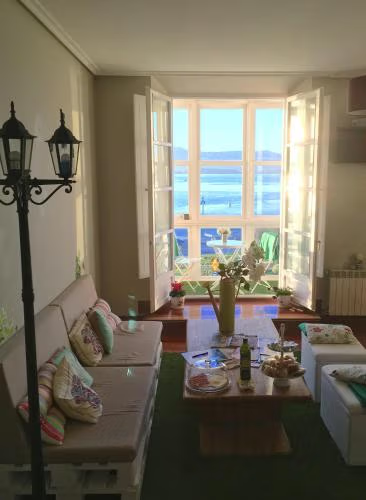
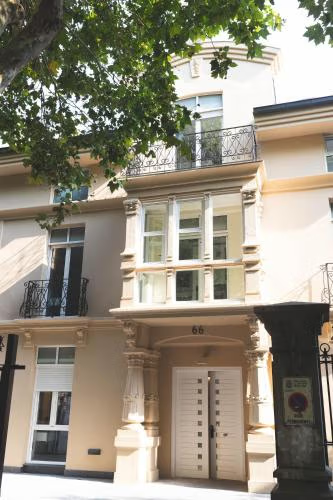
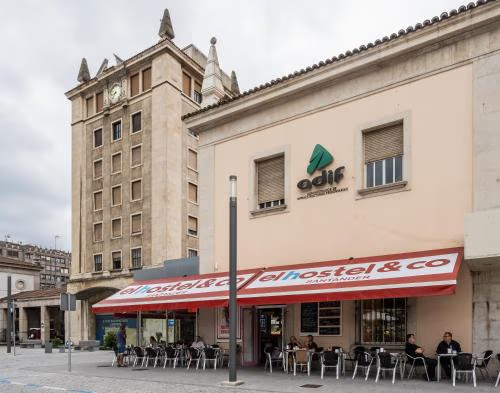
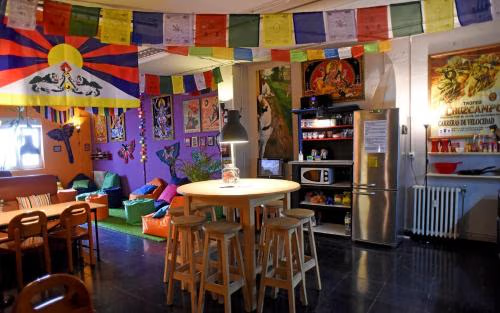
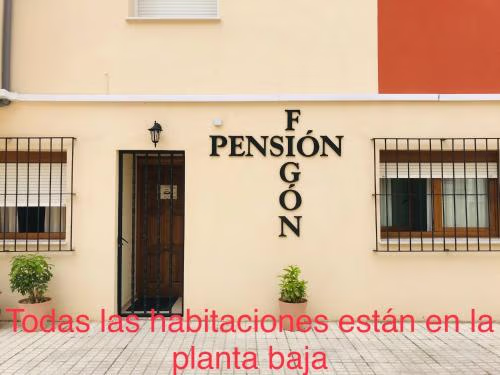
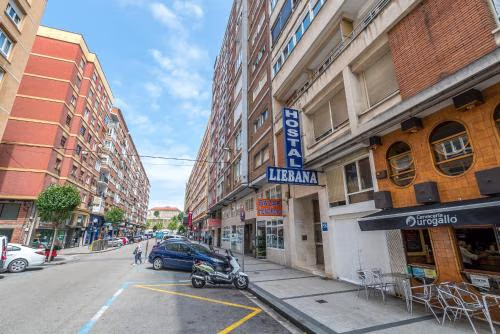
Where to stay in Santander
The places pilgrims rate highest in Santander come first.
- Top #1
 OpenReservations accepted
Isabel Rooms
- Top #2OpenReservations accepted
Albergue de Peregrinos Santos Mártires
- Top #3
 OpenReservations accepted
Hostel Santander

Services in Santander
What you can find in town before the next stage.
- ATM
- Café
- Shop
- Tobacco
- Medical clinic
- Pharmacy
- Fountain
- Post office
- Train station
- Airport
- Restaurant
Source: © OpenStreetMap contributors · updated February 2026
Town 21 of 49