

Town on the Camino
Comillas
Cantabria, Spain
- places to stay
- 13
- Caminos
- 2
- Elevation
- 30 m
Comillas is the summer village of the Modernistas: here Gaudí built his Capricho with its tower covered in ceramic sunflowers, and Catalan architects built a palace, a chapel and a university. For you it is a stage town by the sea, 502.7 kilometres before Santiago, with a short stretch on to San Vicente.
Right now in Comillas (as of October 2026)
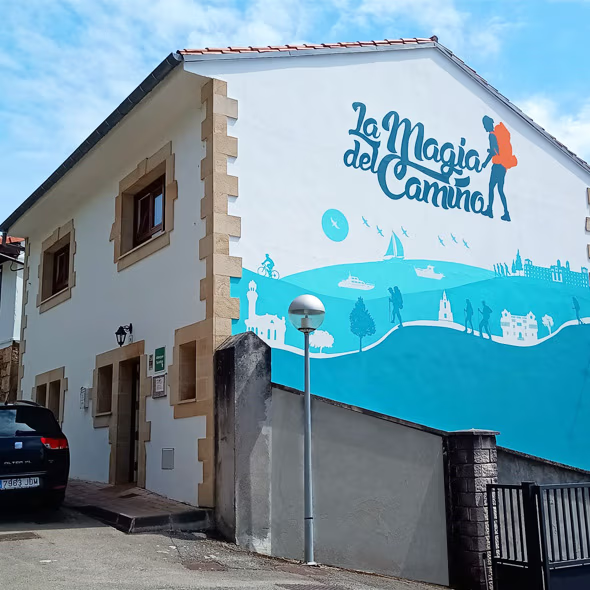
- Hostels in winter break: According to a hostel portal, the private Albergue La Magia del Camino is only open from 16 March to 20 October.
- Municipal hostel unclear: The same portal lists the town's La Peña hostel both as "permanently closed" and with a season from 1 April to 30 September (as of August 2026). Call ahead or ask at the tourist office, tel. 942 722 591.
How long to stay?
An afternoon is enough. The stage from Santillana del Mar is not long, so you arrive early enough to see Gaudí's Capricho, the Sobrellano palace and the cemetery with the angel. Everything is close together. If you want to keep the next day short, walk only as far as San Vicente de la Barquera and you still have half a day by the sea.
Comillas in Ninja numbers
- 22.5 kilometres from Santillana del Mar to here, with 559 metres of ascent and 617 metres of descent.
- 502.7 kilometres still to go to Santiago.
- 11.5 kilometres is all it is to San Vicente de la Barquera.
- 1883 to 1885 were the years El Capricho was built, one of Antoni Gaudí's first works.
- €5 is the admission to the Capricho, according to pilgrim.es.
Arriving: back by the sea
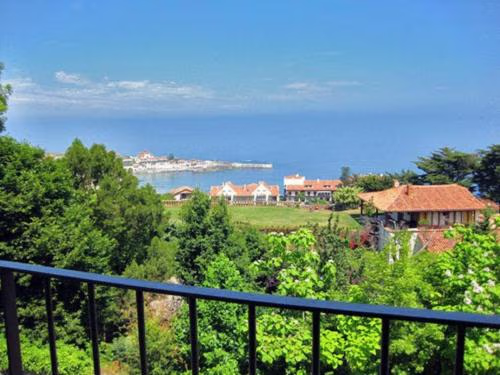
From Santillana del Mar the way leads over hills and through small villages to the coast, past the beach of Luaña and via Liandres and La Iglesia to Comillas. The village lies between hills and a small harbour, and as you come in you can already see that it was not fishermen who built here but wealthy returnees and nobles: towers, battlements and tiled roofs that look like Barcelona.
In brief: Barcelona on the Cantabrian Sea
Comillas owes its look to Antonio López y López, the first Marqués de Comillas, who had made his fortune in Cuba and had his home village developed. He brought in Catalan architects and artists: Joan Martorell built the Palacio de Sobrellano in 1888, Lluís Domènech i Montaner designed a fountain, a park and the cemetery, Josep Llimona created sculptures. Close by, a young Antoni Gaudí built a summer house for Máximo Díaz de Quijano, El Capricho. On the hill above the village the Pontifical University was built from 1883; it later moved to Madrid and left its name to the village.
Modernisme by the sea: what to see
The buildings are close together; you can manage the most important ones in two hours.
- El Capricho de Gaudí: The summer house was built from 1883 to 1885 and belongs to Gaudí's early, oriental-inspired works. The tower is clad in ceramic tiles full of yellow sunflowers and recalls a minaret. Since 2009 the house has been a museum. According to pilgrim.es admission is €5, and it is open daily from November to February from 10:30 to 17:30, longer in summer (no date given for this information).
- Palacio de Sobrellano and Capilla Panteón: The neo-Gothic palace with Venetian touches dates from 1888 and contains furniture by Gaudí. Next to it stands the chapel where the Marqués's family is buried; according to pilgrim.es it costs €3 and is closed on Mondays.
- Cementerio: The cemetery lies within the walls of an old church, and its façade is partly by Domènech i Montaner. On the wall Llimona's "Ángel exterminador" watches over the sea, the best-known image of Comillas.
- Universidad Pontificia: The large building on the hill was built between 1883 and 1964.
- Iglesia de San Cristóbal: The parish church, begun in 1648, was only consecrated some two hundred years later. This is where you find Mass, in winter on weekdays at 19:00.
Food and drink
The cooking of Comillas is a cooking of the sea. Typical is sorropotún, a stew of tuna and potatoes, and bonito in summer. You will find restaurants and bars around the square and at the harbour.
Honestly
- Hostels only in summer. From late October the private hostel is closed, and whether the municipal one will reopen is unclear. In winter only guesthouses and hotels remain.
- Expensive summer resort. Comillas is a seaside town of the well-off; rooms often cost over €60.
- Lots of admission fees. The Capricho and the chapel each charge admission, and the university you will mostly only see from outside.
Where pilgrims sleep
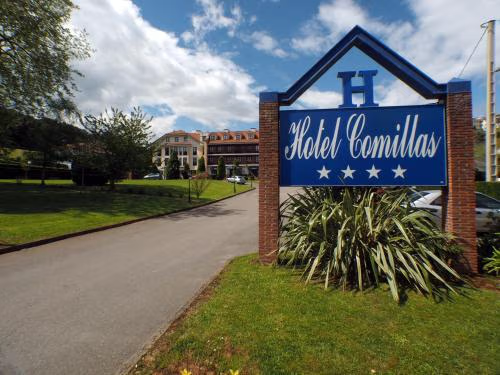
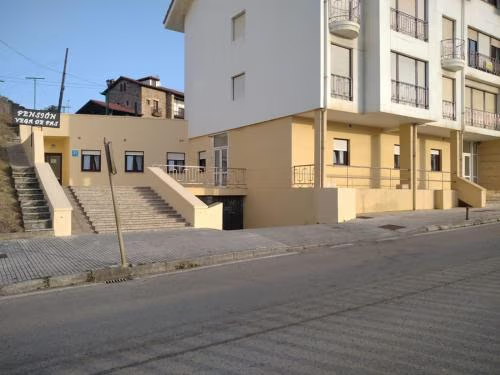
The municipal La Peña hostel in a former prison from 1879 had 20 places at €5; its status is currently unclear (see above). The private Albergue La Magia del Camino, formerly La Huella del Camino, has 28 beds in four dormitories and, according to a hostel portal, costs €23 to €27 with breakfast (as of April 2026); it is open from 16 March to 20 October. On top of that there are guesthouses and hotels, mostly from €60 a room.
Ninja tips
- To the cemetery in the late afternoon. Llimona's angel on the wall with the sea behind it is the finest view in the village.
- Capricho before dinner. In winter it already closes at 17:30, so plan your visit straight after arriving.
- Use tomorrow's short stage. It is only 11.5 kilometres to San Vicente de la Barquera; if you walk on, Colombres is the next larger goal after 28.4 kilometres.
Practical tips for pilgrims
- Tourist office: Plaza Joaquín del Piélago 1, tel. 942 722 591, for stamps and information about the hostel.
- Mass: Iglesia de San Cristóbal, in winter on weekdays at 19:00, on holidays at 13:00.
- Bus: Several lines run daily between Santander and San Vicente and stop in Comillas.
Onward: along the coast to San Vicente
According to the Camino Ninja map the way leads from Comillas via Trasvía, El Tejo and Los Llaos past the Ría de la Rabia to San Vicente de la Barquera: 11.5 kilometres with 233 metres of ascent and 244 metres of descent. To Colombres, already in Asturias, it is 28.4 kilometres.
What awaits you tomorrow
San Vicente de la Barquera, a fishing town with a castle and a long bridge across the ría, beyond which the Picos de Europa may appear for the first time.
Deep dive: A Marqués and his architects
A short read, in case you want to learn more about Comillas. About three minutes' reading.
A village that came back rich
Comillas was a small harbour village, like many on this coast. That today it looks like a piece of Barcelona has to do with a man who made his fortune in the Americas: Antonio López y López, the first Marqués de Comillas.
Catalans on the Cantabrian coast
López lived in Barcelona, and from there he brought his builders. Joan Martorell designed the Sobrellano palace and the chapel with the family tomb. Lluís Domènech i Montaner, one of the great names of Catalan Modernisme, designed the park, a fountain and the cemetery, on whose wall Josep Llimona placed his angel. And Antoni Gaudí, still at the start of his career, built the Capricho for Máximo Díaz de Quijano. The patron did not live to see it finished; he died a year before.
A university for a village
On the hill above the village a huge building for a seminary was begun in 1883, and it became the Pontifical University of Comillas. It later moved to Madrid, but it still bears the name of this small village. For pilgrims that is a curious twist: a name you know from Madrid suddenly stands before you by the sea.
What Comillas gives you
On the Camino del Norte quiet villages and busy seaside resorts take turns. Comillas is both: a place where money and ambition built palaces, and a cemetery by the sea where an angel of stone watches over the graves. Standing on the wall in the evening, you see how little of wealth remains in the end, and how much of the sea.
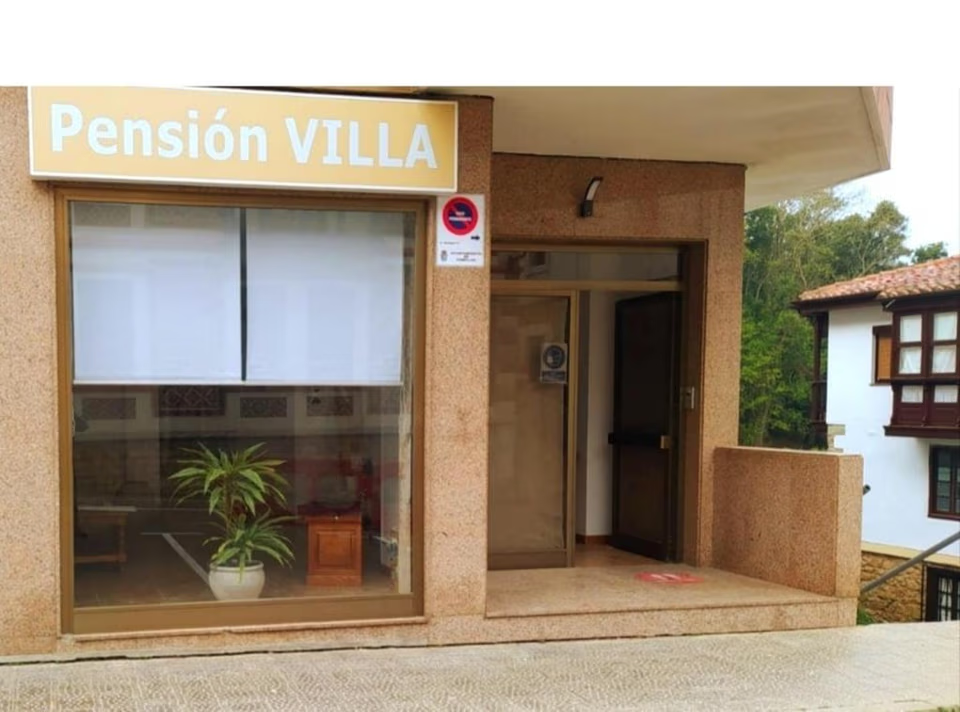
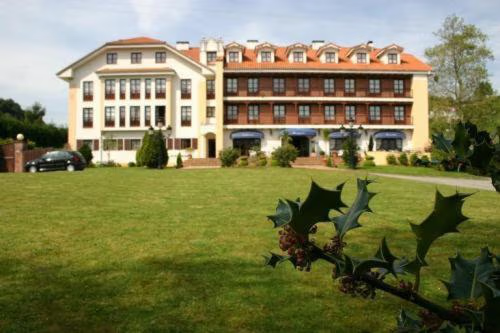
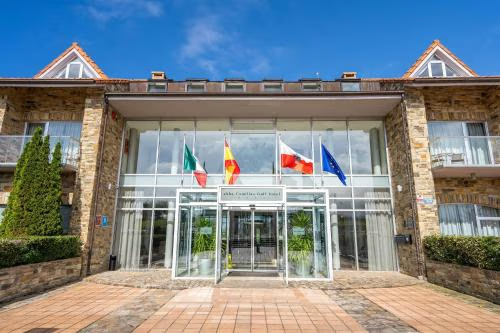
Where to stay in Comillas
Places to stay in Comillas.
 ClosedReservations accepted
Albergue La Magia del Camino
 OpenReservations accepted
Hotel Comillas
 OpenReservations accepted
Pensión Vega de Pas

Services in Comillas
What you can find in town before the next stage.
- Café
- Shop
- Tobacco
- Medical clinic
- Pharmacy
- Fountain
- Post office
- Restaurant
Source: © OpenStreetMap contributors · updated February 2026
Town 24 of 49