

Town on the Camino
Gijón
Asturias, Spain
- places to stay
- 31
- Caminos
- 2
- Elevation
- 6 m
Gijón is the largest city in Asturias and a stage end by the sea: after 30.9 kilometres from Villaviciosa you reach the Playa de San Lorenzo and sleep between Roman baths, the old fishermen's quarter and Chillida's concrete sculpture above the horizon. There is no public pilgrim hostel in the centre.
Right now in Gijón (as of October 2026)
- New pilgrim hostel: A hostel with 62 places is being built in the old Vicasa glass factory in the La Calzada district. The city gives Holy Week 2027 as the opening date; it has already been postponed several times.
- Until then: The municipal pilgrim hostel is at the Camping de Deva, 8.6 kilometres before Gijón and a little off the route. In the city you sleep in hostels and guesthouses.
How long to stay?
Worth a rest day if you want to see the sea. After the hills beyond Villaviciosa, Gijón is the first big city since Santander: a beach right in the centre, the Cimavilla peninsula with the old fishermen's quarter, Roman baths and museums. In an afternoon you can manage Cimavilla and the Cerro de Santa Catalina. If you stay a day, you have time for the beach promenade and the Universidad Laboral on the edge of town.
Gijón in Ninja numbers
- 351.4 kilometres are still left from here to Santiago on the Camino del Norte.
- 943 metres of ascent go into your legs on the 30.9 kilometres from Villaviciosa; the highest point, at 438 metres, comes before Peón. In Gijón you then stand almost at sea level.
- 270,219 people live in Gijón (2024), more than in any other city in Asturias.
- 500 tonnes of concrete: that is the weight of Eduardo Chillida's "Elogio del Horizonte" on the Cerro de Santa Catalina, put up in 1990.
- 25.4 kilometres tomorrow to Avilés, over Monte Areo and through the industrial zone.
Arriving: through the suburbs to the sea
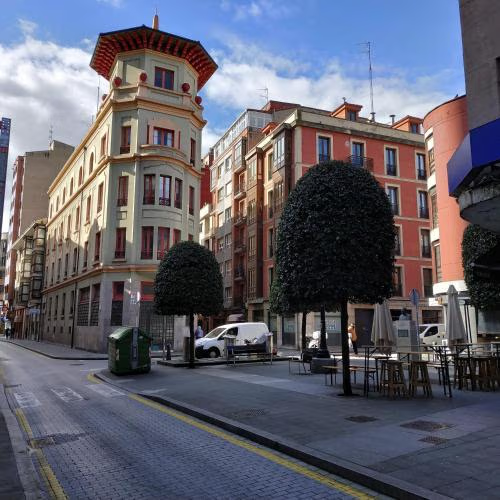
The last part of the stage leads via Deva, where the campsite with the pilgrim hostel lies, down into the city. From here it turns urban: roads and residential districts until you stand at the Playa de San Lorenzo. The beach stretches as far as the Cimavilla peninsula, where the city began. Allow more time for the last kilometres through town than the map suggests.
In brief: from the Roman wall to the port city
The Romans built a wall on the Cimavilla peninsula and called the place Gegio. After the arrival of the Moors, Gijón was briefly the seat of their governor Munuza, until Pelayo founded the Kingdom of Asturias around 722 with the Battle of Covadonga. In 1270 Gijón received town rights from Alfonso X; in the 14th century it was burned in war and almost completely destroyed.
The city grew big with industry. In 1893 the port of El Musel was built, at the time the first coal port on the Iberian Peninsula, followed by steelworks and shipyards. When they disappeared, Gijón turned to its beach, culture and university. There was a place for pilgrims here early on: the Hospital de Nuestra Señora de los Remedios took in poor pilgrims until the 19th century.
Between horizon and harbour: what to see
Most of it is on or by the Cimavilla peninsula, a few minutes' walk from the beach.
- Cimavilla: The old fishermen's quarter on the peninsula is where the city began. The Roman wall stood here, and parts of it survive; here you understand why Gijón is a port city: the sea lies on three sides.
- Elogio del Horizonte: Eduardo Chillida's concrete sculpture on the Cerro de Santa Catalina weighs around 500 tonnes. Stand in its centre and you hear the sea as in a shell. At first the work was controversial; today it is the symbol of the city, popularly known as "King Kong's toilet". For pilgrims it is the place to look west, to where the Way continues.
- Termas Romanas de Campo Valdés: Beneath the square on the edge of Cimavilla lie the remains of Roman baths, today a museum. They show how old the city you are walking past really is.
- Capilla de los Remedios: The 15th-century chapel stands for Gijón's old pilgrim hospital, which took in poor pilgrims until the 19th century.
- Museo Casa Natal de Jovellanos: The birthplace of the Enlightenment thinker Gaspar Melchor de Jovellanos (1744–1811), the city's most famous son, is now a museum. We have not found opening hours.
- Playa de San Lorenzo: The city beach lies east of Cimavilla. At stairway 13 there are showers and lockers in season, handy if you only have an afternoon.
Food and drink
In Cimavilla and around the Plaza Mayor there are bars and sidrerías one after another. For shopping there are supermarkets in the centre, some with long opening hours.
Honestly
- No hostel in the centre. The municipal pilgrim hostel is at the Camping de Deva, 8.6 kilometres before Gijón and a little off the route. If you want to sleep in town, you pay hostel or guesthouse prices.
- The city never ends. Coming in and going out drag on through suburbs, which costs time and energy.
- The way to Avilés is not pretty. After Monte Areo you walk for a long time along roads, business parks and industrial plants.
Where pilgrims sleep
The municipal pilgrim hostel is the Albergue de Peregrinos Camping de Deva: wooden cabins with bunk beds at the campsite, credential only, no reservations, in Deva a little off the route and connected to the centre by bus; according to the hostel portal 12 € and open all year (as of August 2026). There is no donativo or parish hostel in Gijón.
In the city itself pilgrims sleep in hostels and guesthouses. Several hostels have dormitories from just under 30 €; guesthouse rooms are usually more. The new hostel in the Vicasa glass factory is not yet open.
Ninja tips
- Sleep in Deva and walk into town in the morning. That way you reach the beach without stress about your pack and get the hostel at a pilgrim price.
- Hear the sea in the concrete. Stand in the middle of the Elogio del Horizonte and wait a moment.
- Take water for Monte Areo. There is hardly any supply on the climb beyond Gijón.
- Showers at the beach. At stairway 13 of the Playa de San Lorenzo there are showers and lockers in season.
Practical tips for pilgrims
- Tourist information: Calle Rodríguez San Pedro.
- Laundry: Several laundrettes in the centre, among them in Calle Avilés and on Avenida de la Costa.
- Getting there and away: Gijón has a railway station and bus station with connections to Oviedo, Avilés and the rest of Spain; the Asturias airport lies west of Avilés.
Onward: over Monte Areo to Avilés
The Way leaves Gijón westwards through Poniente, El Natahoyo and La Calzada, past the spot where the new hostel is being built. Then it climbs to Monte Areo, at 191 metres the highest point of the day, 10 kilometres beyond Gijón. On top lies a necropolis of prehistoric burial mounds. After that you descend into the valley of Carreño and continue via Tabaza and Trasona, along roads and industry, to Avilés: 25.4 kilometres with 448 metres of ascent.
Deep dive: The city that looks at the horizon
A short read, in case you want to learn more about Gijón. About three minutes' reading.
A peninsula as a beginning
Gijón began with a wall. On the peninsula now called Cimavilla, the Romans built a fortification and gave the place its name. Beneath a square on the edge of the peninsula, the remains of their baths still lie today. The settlement before it, on a hill further west, was abandoned. Whoever walks through Cimavilla today walks over the core from which everything grew, with the sea on three sides.
A brief governor and a long kingdom
After the Moorish invasion in the eighth century, a governor named Munuza sat here for a few years. Then Pelayo rose up in the mountains, and after the Battle of Covadonga the Kingdom of Asturias was born. From this small kingdom grew the world in which, later, an apostle's tomb was found in Galicia and people began to walk there. Gijón itself remained small for a long time. In the fourteenth century it was burned in war and almost completely destroyed.
Coal, steel and a sculpture
The city only grew big with the port of El Musel, opened in 1893 as the first coal port on the Iberian Peninsula. Steelworks and shipyards followed, and Gijón became a workers' city. When industry declined, the city looked for a new face. In 1990 it placed a concrete sculpture by Eduardo Chillida on the hill above Cimavilla, which many at first found ugly. Today this Elogio del Horizonte, this praise of the horizon, is the sign of the city.
What Gijón gives you
Pilgrims passed through Gijón when the city was still small. A hospital took in poor pilgrims until the nineteenth century. Today the city is still waiting for its new hostel. When you stand in the middle of the sculpture and hear the sea, look west. That is where the Way you will walk tomorrow lies, and far beyond the horizon the end of the continent.
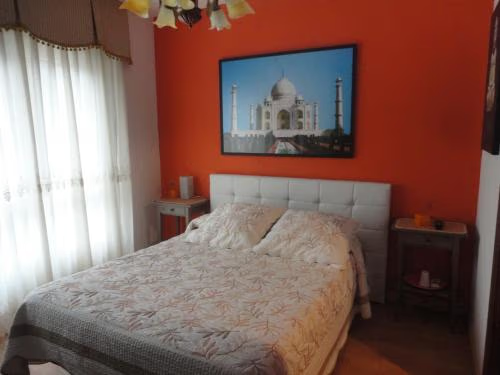
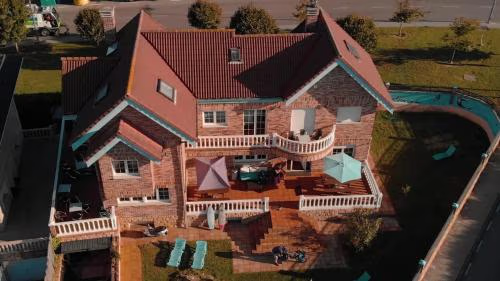
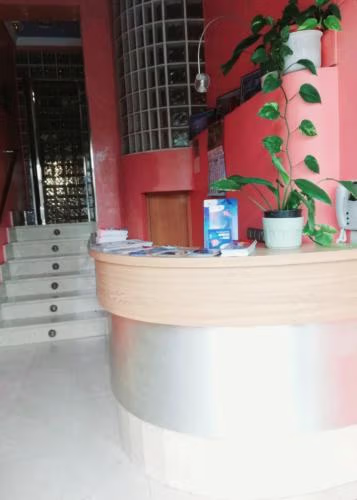
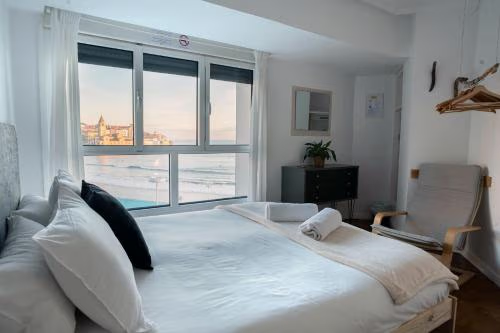
Where to stay in Gijón
Places to stay in Gijón.
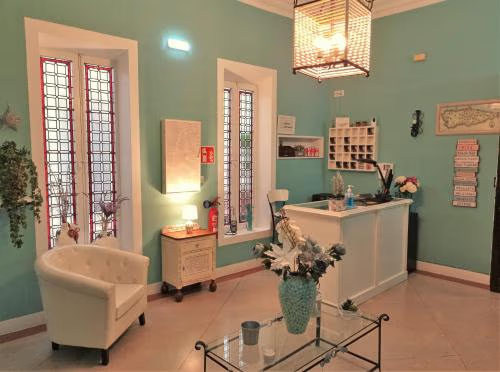 OpenReservations accepted
Hospedaje Don Pelayo
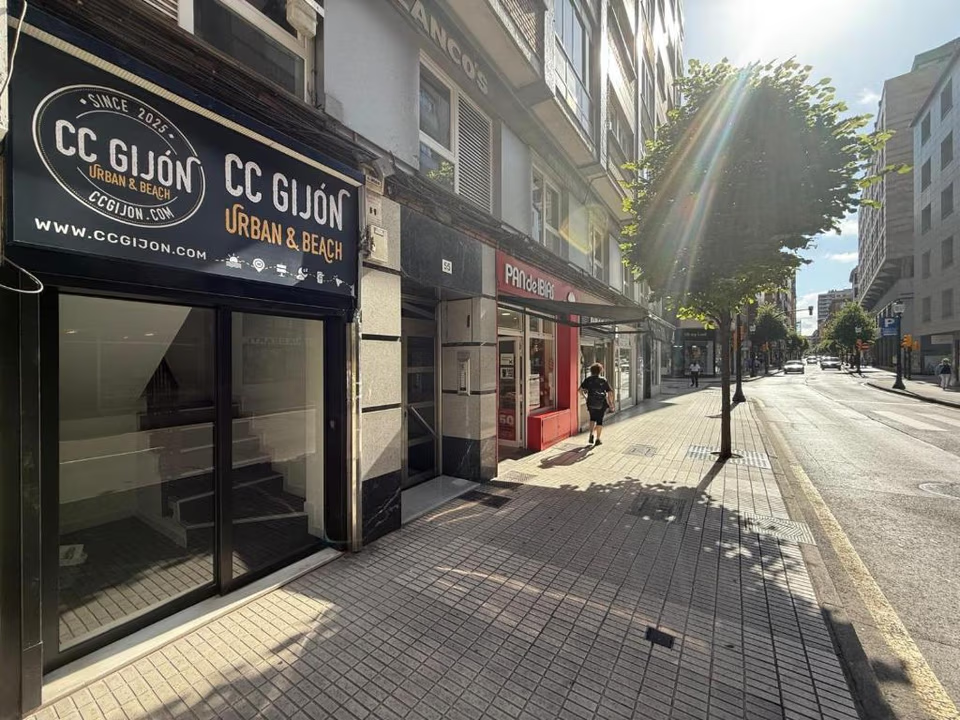 OpenReservations accepted
CC Gijon
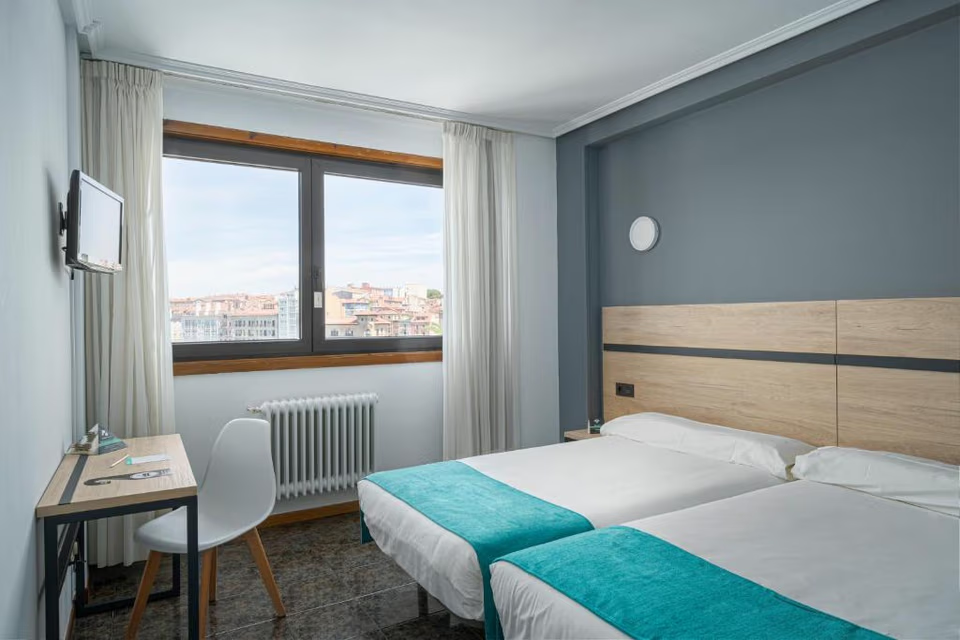 OpenReservations accepted
Hotel Alda Pasaje
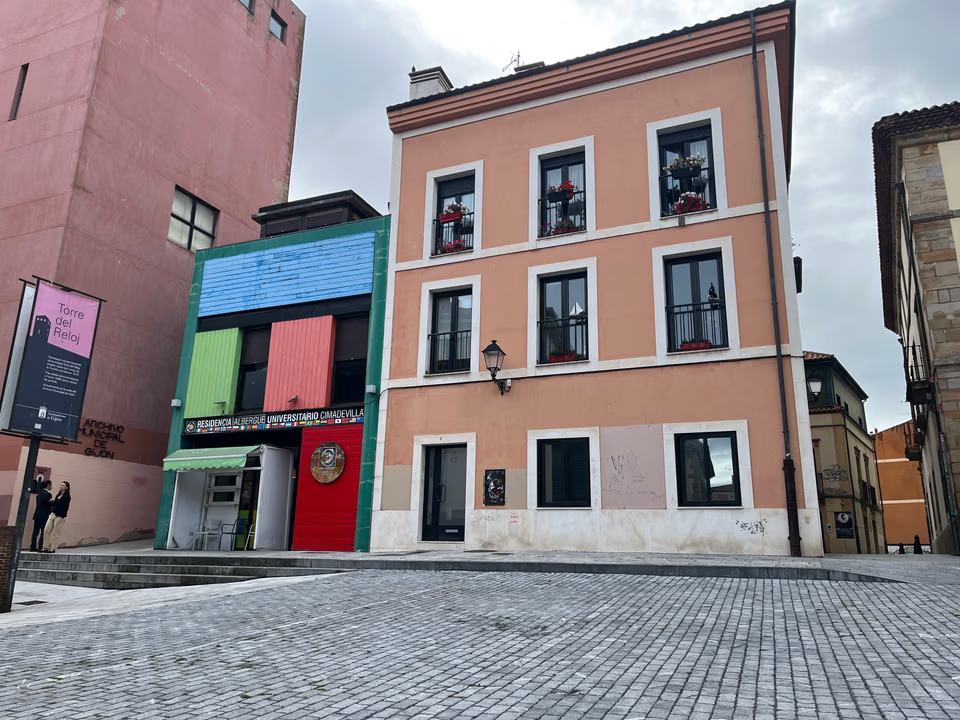
Services in Gijón
What you can find in town before the next stage.
- ATM
- Café
- Shop
- Tobacco
- Medical clinic
- Pharmacy
- Fountain
- Post office
- Train station
- Airport
- Restaurant
Source: © OpenStreetMap contributors · updated February 2026
Town 31 of 49