

Stage town on the Camino
Zubiri
Navarra, Spain
- places to stay
- 12
- Camino
- 1
- Elevation
- 531 m
Zubiri means Bridge Village in Basque, and its bridge is the first thing you see after the dreaded descent from the Alto de Erro: the Puente de la Rabia from the 12th century, where people once hoped to cure animals of rabies. 45.8 kilometres from Saint-Jean, with a shop, pharmacy and albergues. One evening is enough.
Right now in Zubiri (as of October 2026)
- Municipal albergue closes for the winter: The municipal albergue is open roughly from 1 March to 2 November; the dates are guidelines. From November you sleep in the private albergues and pensions.
How long to stay?
One evening is enough. Zubiri is a village on a river with a bridge, a main street and everything you need after the second day. You arrive, cool your legs in the Arga, eat and sleep. A rest day only pays off here if the descent has wrecked your knees; then one more night is wiser than a stage to Pamplona.
Zubiri in Ninja numbers
- 812 metres of descent since Roncesvalles, and only 400 of ascent. You feel most of them on the last four kilometres.
- 45.8 kilometres you have behind you since Saint-Jean-Pied-de-Port, and 730.3 are still to go to Santiago.
- 20.3 kilometres is tomorrow's walk to Pamplona, the first big city of your route.
- Two words are in the name: zubi, the bridge, and iri, the place.
Arriving: the descent and the bridge
The way down from the Alto de Erro to Zubiri is considered one of the most dangerous sections of the Camino Francés: about four kilometres over rock slabs and scree, very slippery when wet. Every year pilgrims sprain their ankles here, and some give up. The descent often takes longer than the climb before it. Go slowly, keep your distance and use your poles. At the bottom the path leads straight over the Puente de la Rabia into the village. Just behind the bridge, on a small square, stands a fountain.
In brief: a bridge village on the Arga
Zubiri lies in the valley of the Erro on the river Arga, halfway between Roncesvalles and Pamplona. The village grew up at the bridge, hence the name. The parish church is a new building; the old one was destroyed in the Carlist Wars in the 19th century, and its Baroque high altar from the 18th century comes from a church in Pamplona. Today, besides the Camino, one large plant shapes the valley: Magnesitas Navarras has been mining magnesite for more than half a century, and you will see and hear it tomorrow morning.
A bridge against rabies
The Puente de la Rabia, the Rabies Bridge, is Romanesque and dates from the 12th century. It owes its name to a legend: when the builders wanted to set the central pillar, the water would not give them a foundation, so they dug the bank of the Arga deeper and came upon the relics of Saint Quiteria, the patron saint against rabies. Ever since, farmers led their animals around this pillar so that they stayed healthy. The custom held on, so they say, until a few years ago. For you the bridge after the descent from the Erro is something similar: whoever arrives here has managed the hardest part of the first two days, and now the knees may heal.
A bridge against rabies: what to see
There is not much, but it all lies along the way.
- Puente de la Rabia: The Romanesque bridge over the Arga from the 12th century, with the central pillar around which animals were once led. Loveliest in the evening from the bank, when pilgrims sit with bare feet in the river.
- The Arga: Under the bridge you can cool your legs. After 812 metres of descent that is the best medicine of the day.
- Parish church: A new building after the Carlist Wars, with a Baroque high altar from the 18th century that came here from the church of San Agustín in Pamplona. We did not find opening and Mass times.
Eating and drinking
Zubiri has bar-restaurants with a pilgrim menu, a grocery shop, a baker and a butcher. If you sleep in the municipal albergue, you can cook for yourself there. We did not find a specialty of its own for Zubiri.
Honestly
- The descent is dangerous. It is the reason why many pilgrims limp here. Do not underestimate it, especially after rain.
- The plant on the doorstep. Right behind the village you walk past the magnesite factory, with noise and smell. The morning is not pretty here.
- Full in spring and autumn. Zubiri is a classic stage end; in May, in September and in Holy Week you should reserve.
- A village, nothing more. Apart from the bridge there is little to see.
Where pilgrims sleep
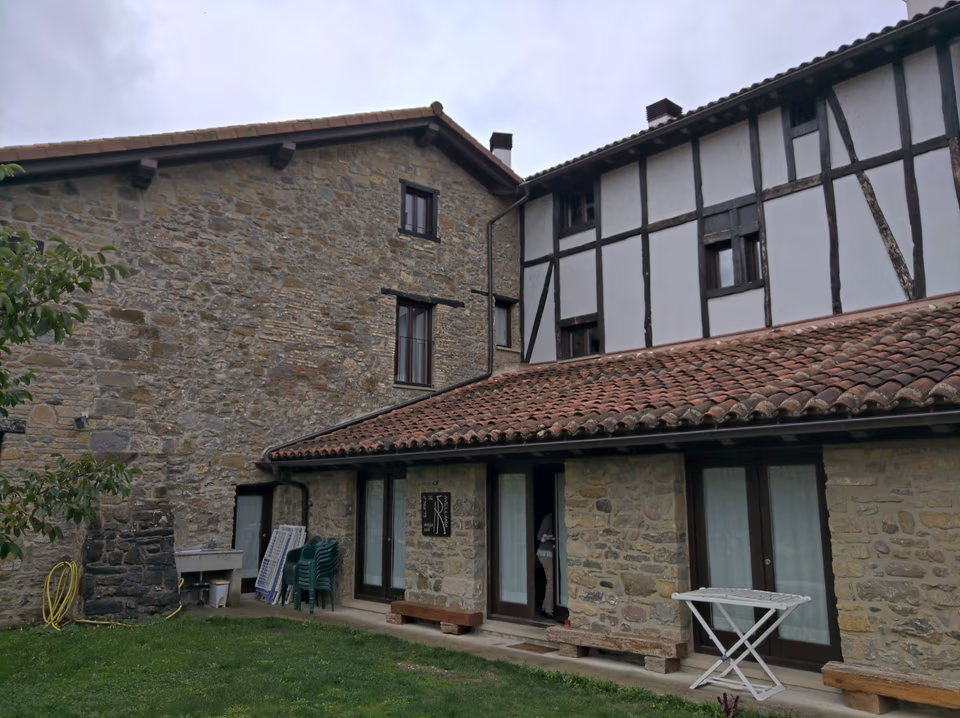
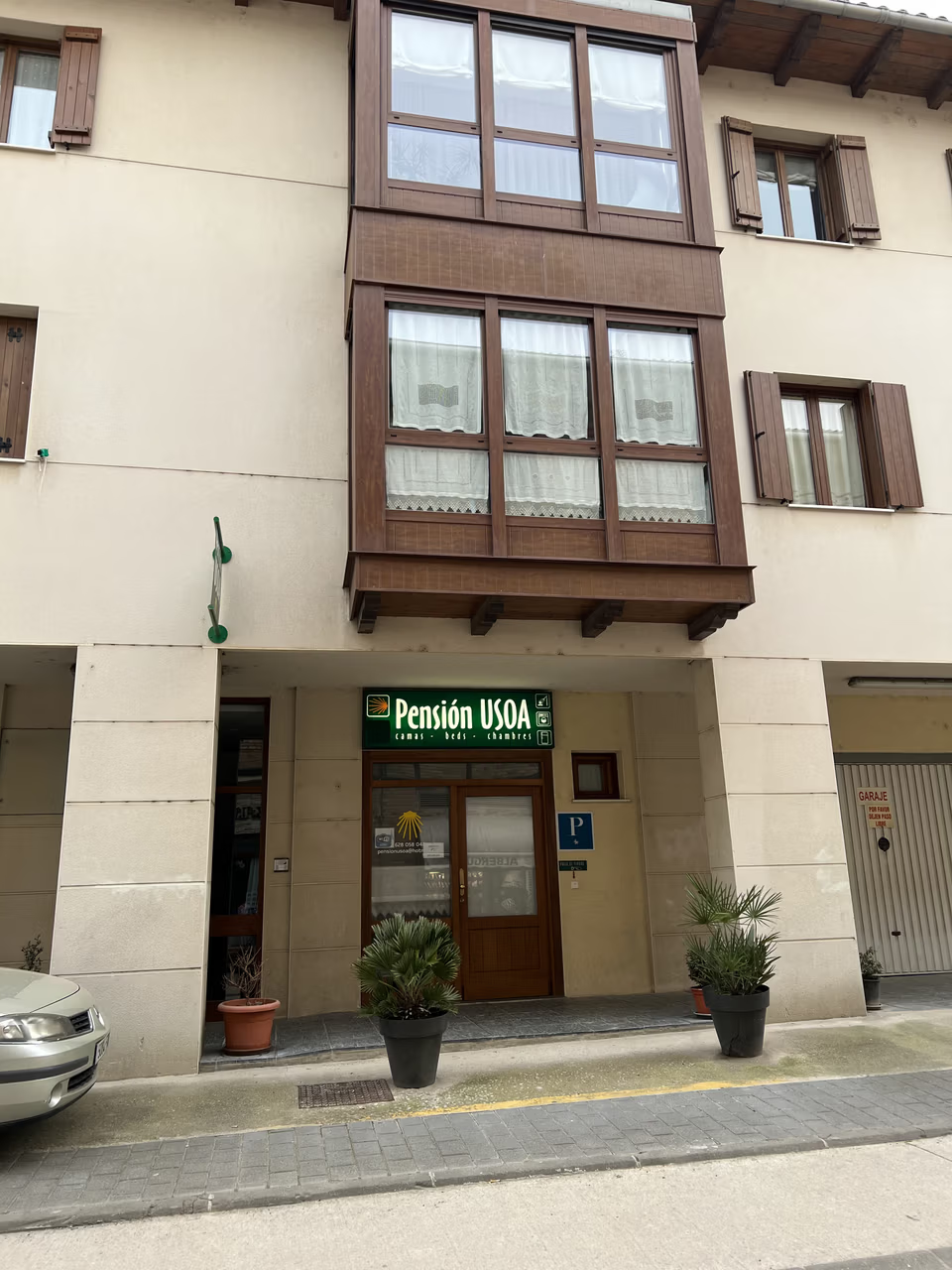
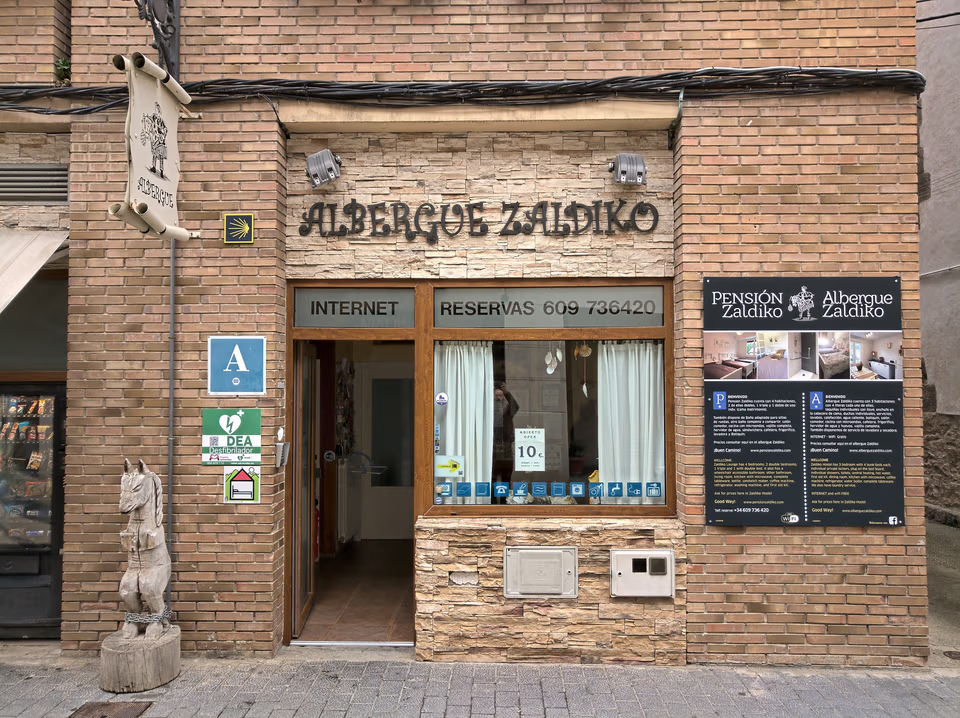
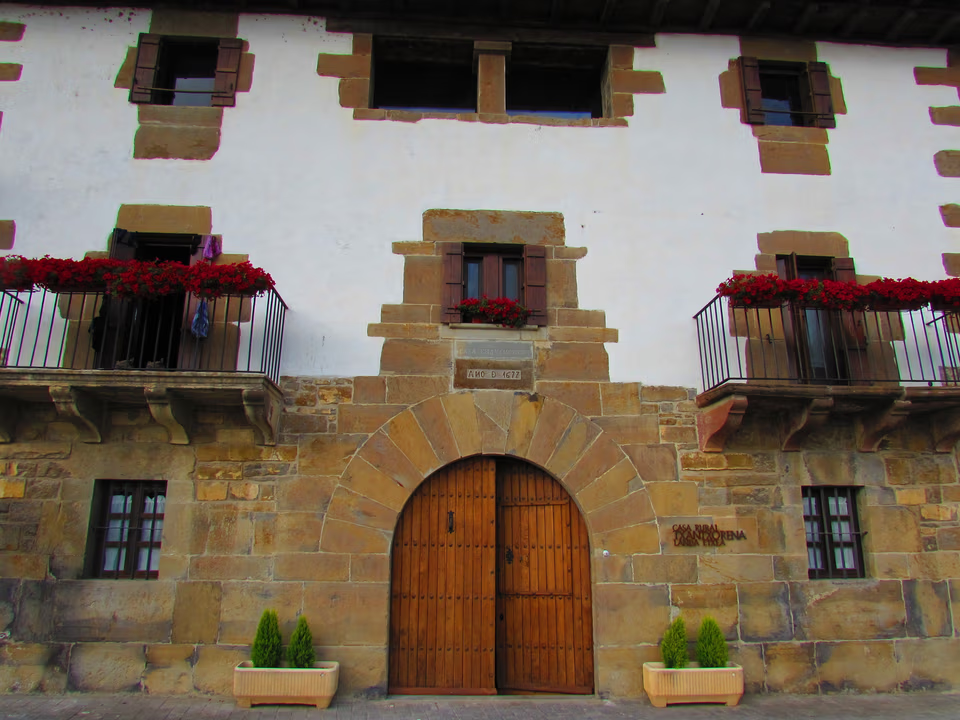
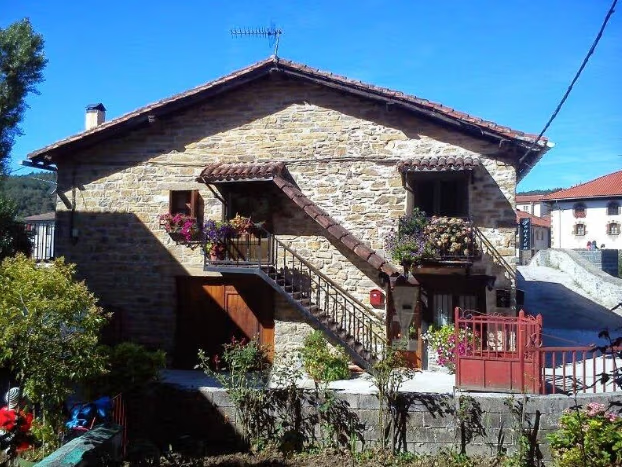
The Albergue Municipal de Zubiri belongs to the Concejo, the village community, and is in the old schools on the main street, next to the sports hall and open-air pool, a few steps from the bridge. The bed costs €16 including fitted sheet and pillowcase (as of October 2026), check-in from 12:00, and you do not need a credencial. You can reserve, and the door opens by QR code. There is a kitchen with fridge and microwave as well as a washing machine and dryer for €3. You bring your own towels. In addition there are several private albergues with dormitories from €16 to €19, such as the Albergue Zaldiko right at the bridge and the Albergue Río Arga Ibaia, as well as some pensions. There is no parish or donativo albergue in Zubiri.
Ninja tips
- Shop in Bizkarreta. The small supermarket at the edge of Bizkarreta is the last one before the Erro; after that, until Zubiri there is only a fountain in Lintzoain.
- Give yourself time for the descent. Plan more time for the last four kilometres than for the climb.
- Poles help, but they do not replace watching the ground. They give you two more points of support.
- Legs in the Arga. Cold water after the descent works wonders, and everyone else does it too.
- Fill up in the morning at the fountain behind the bridge. Until Larrasoaña there is only the village of Ilárraz, without supplies.
Practical tips for pilgrims
- Cash machine and pharmacy: both are in Zubiri, plus a doctor's surgery.
- Bus: The Pamplona–Roncesvalles line stops here, Monday to Saturday.
- Festivals: On the first Sunday in August Zubiri celebrates its patron saint's festival; on the third Sunday in June, the Day of the Valley.
Onward: past the factory to Pamplona
The path leaves Zubiri and passes the Magnesitas Navarras plant, loud and dusty. Via Ilárraz (km 48.5), where there is nothing, you reach Larrasoaña (km 51.1) with a bar, restaurant, shop and the medieval Bridge of the Bandits. After that it gets tight: narrow paths, muddy after rain as far as Zabaldika, and an unpleasant stretch along the N-135 road near Zuriáin. In Irotz (km 57.0) there is a bakery oven with pilgrim meals. At Trinidad de Arre (km 61.7) you cross the Arga on one of the loveliest bridges of the day, and in Villava the Camino de Baztán from Bayonne meets your path. Through Burlada you go on to Pamplona (km 66.1), over the Magdalena Bridge and through the Portal de Francia into the old town: 20.3 kilometres with 456 metres of ascent and 541 metres of descent.
What awaits you tomorrow
Pamplona, the first city of your route. You enter it like the pilgrims of the Middle Ages, over an old bridge and through a gate in the walls. After two days of mountains and villages, suddenly there is everything: cathedral, bars, pharmacies, shoe shops.
Deep dive: A village at the bridge
A short read, in case you want to learn more about Zubiri. About two minutes' reading.
The name
Zubiri is a Basque word, put together from zubi, the bridge, and iri, the place. So the village is named after what makes it. The bridge over the Arga dates from the twelfth century, from the time when the pilgrim route through Navarre became the great road it still is today.
The saint in the pillar
It is told that when setting the central pillar the builders found no firm ground. They dug the bank deeper and came upon the bones of Saint Quiteria, who is invoked against rabies. That is how the bridge became the Rabies Bridge, and for centuries the farmers of the area led their cattle around the pillar so that they stayed healthy. Whether the relics ever lay there, nobody knows. The custom itself is said to have held on until a few years ago.
War and industry
In the nineteenth century the Carlist Wars passed through Navarre, and the old church of Zubiri was destroyed. The present one is a new building, into which a Baroque altar from Pamplona was brought. In the twentieth century industry arrived: for more than fifty years magnesite has been mined in the valley, and the plant is today the industrial centre of the valley.
What Zubiri gives you
When this text was written, in the autumn of 2026, pilgrims came limping over the bridge every evening in Zubiri and sat down by the water. Zubiri promises you nothing grand. It gives you a bridge, a river and a night in which your legs recover. For the second day of a long journey, that is exactly right.
Where to stay in Zubiri
The places pilgrims rate highest in Zubiri come first.
- Top #1
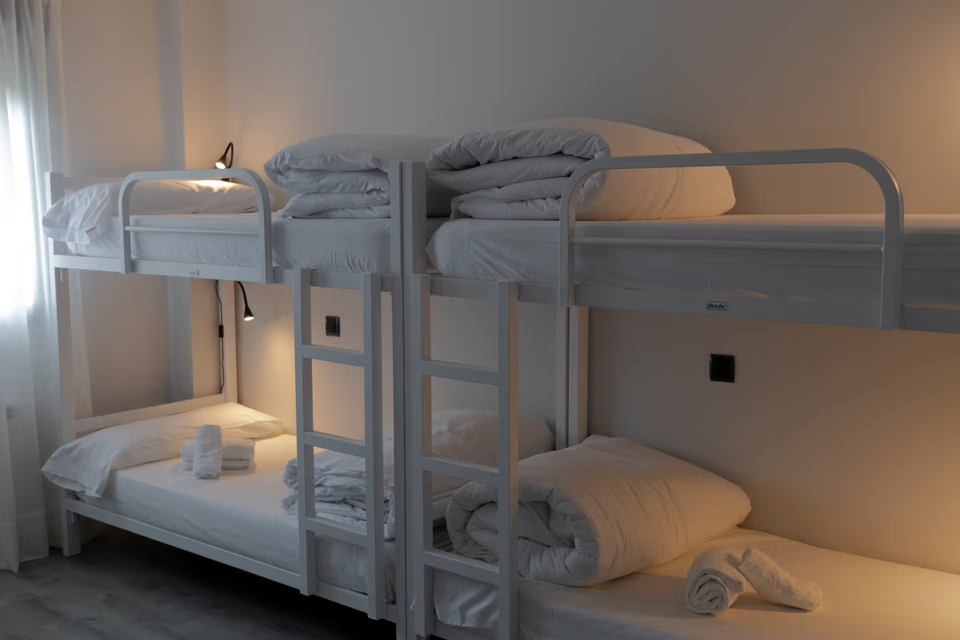 ClosedReservations accepted
Albergue Suseia
- Top #2
 Open
Albergue Río Arga Ibaia
- Top #3
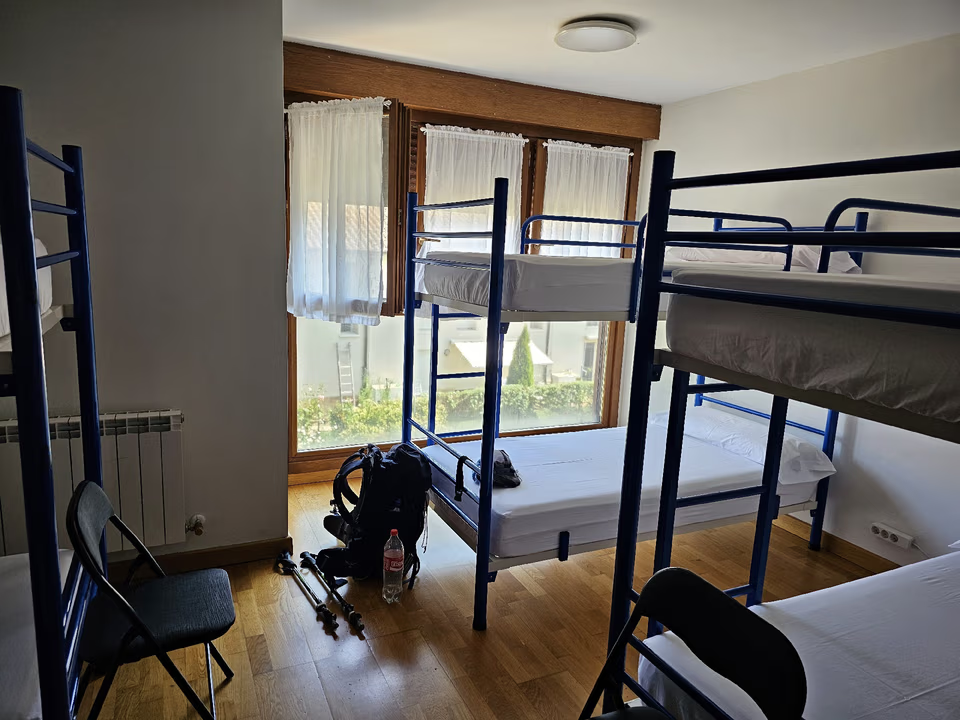 ClosedReservations accepted
Albergue Segunda Etapa

Services in Zubiri
What you can find in town before the next stage.
- Café
- Shop
- Medical clinic
- Pharmacy
- Fountain
- Restaurant
Source: © OpenStreetMap contributors · updated November 2025
Town 3 of 49