

Town on the Camino
Fão
Distrito de Braga, Região do Norte, Portugal
- places to stay
- 10
- Caminos
- 2
- Elevation
- 3 m
Fão sits at the mouth of the Cávado, and a route flows in here too: at the edge of town the link from São Pedro de Rates joins the coastal route, and from here on you walk in company. Then a metal bridge from 1892 carries you across the river to Esposende. It has nothing to do with Eiffel. One evening is enough.
How long to stay?
One evening is enough, often just a break. Fão is a quiet village with little infrastructure, and Esposende, with more beds and places to eat, is only 2.1 kilometres further on. Reasons to stay are the cheap youth hostel right on the route, an evening walk over the bridge and a detour to Ofir beach. Around Low Sunday, a week after Easter, Fão celebrates its big festival; then it gets crowded.
Fão in Ninja numbers
- 49.8 kilometres lie behind you since Porto on the Caminho Português da Costa, and 57.3 on the Senda Litoral.
- 206.6 kilometres remain on the coastal route to Santiago.
- 277.84 metres is the length of the bridge over the Cávado between its abutments, on eight spans and seven piers.
- €2.5 million is what its renovation cost, completed in July 2025. Since then the footway has had a higher railing.
- 2.1 kilometres is the distance over the bridge to Esposende.
Arriving: past the church to the river
From Apúlia you come along a field track between pines and eucalyptus. Behind a football pitch you turn into Rua Santo António da Fonte, pass the cemetery with a colourful figure of Saint Anthony, then follow the footway of the N13 to the zebra crossing at the Bom Jesus church. Through the old village centre you reach the Cávado and the bridge. At the edge of town the link from São Pedro de Rates on the Camino Portugués Central joins in. If you come on the Senda Litoral, you reach Fão from the coast, via Ofir.
In brief: a village on the river
The name is said to come from the Latin fanum, temple; whether a pre-Christian place of worship really stood here is an open question. For a long time Fão had a village magistrate elected every year and belonged to Barcelos; in 1842 it was separated from it. As early as 1630 there was a hospital next to the Misericórdia church; the present building, dedicated to Saint John of God, was paid for with donations from residents and from emigrants in Brazil. In 1989 a medieval burial ground came to light under the dunes. In 2026 Fão celebrated fifty years as a vila, a small town.
One river mouth, many routes
In Fão, what ran separately before comes together. The Cávado flows into the sea here, the Senda Litoral and the coastal route move to within a few hundred metres of each other, and at the edge of town the connection from the interior arrives, from São Pedro de Rates. If you have walked the first days alone by the sea, you notice it from here on: there are more of you.
Holding it all together is the bridge. It opened on 7 August 1892 and was named after Crown Prince Luís Filipe. It was built by the Empresa Industrial Portuguesa of Lisbon, with the French engineer Reynaud in charge on site. Gustave Eiffel, whom some pilgrim guides name, appears in no specialist source. The mix-up probably comes from the bridge over the Lima in Viana do Castelo, which is attributed to Eiffel and which you cross at the end of the next stage. Fão's bridge is Portuguese engineering, a protected monument since 1986.
At the river mouth: what to see
Everything lies on the route or a few minutes off it.
- Ponte de Fão: The metal bridge of 1892 carries you over the Cávado. From the middle you see the river mouth and Ofir beach. The footway is narrow, and cars and lorries drive on the bridge; the higher railing since 2025 helps.
- Santuário do Senhor Bom Jesus de Fão: The church from the early 18th century stands right on the N13 along the route, with a gable bearing a royal coat of arms, a tower with gargoyles and azulejos inside. On the main altar the Senhor dos Passos is venerated, Christ on the way of the cross, whom people here call Senhor de Fão. The big festival on Low Sunday is for him, with masses, candlelight processions, fireworks over the river and, on Monday, a procession to the sick. According to tradition it all began with a crucifix found on the Cávado. We did not find opening or mass times.
- Praia de Ofir and Pinhal: Long sandy beaches with dunes and pine forest in the northern coast nature park. Off the coast lie the Cavalos de Fão, rock reefs that emerge at low tide. Legend says ships of King Solomon anchored here looking for gold, with horses on board as gifts. A storm sank them, and the horses turned to stone; in a storm they still throw up white spray today. The name Ofir alludes to the biblical land of gold, Ophir. The three high-rises of Ofir, by contrast, stand on the spot the sea threatens most.
Food and drink
The village speciality is the Clarinhas de Fão, pastries with pumpkin jam. Around 1900 a woman named Clarinha sold them in the village, her descendants still bake them today, in some pastry shops under another name. Fão has a bakery, a supermarket, a pharmacy and cafés where pilgrims eat cheaply. If you want more choice, eat in Esposende.
Honestly
- No pilgrim hostel in the proper sense. The youth hostel is cheap but not geared to pilgrims, often booked by groups, and check-in is only from 18:00.
- Esposende is livelier. Some pilgrims regret not having walked on the 2.1 kilometres.
- The last metres are road. The coastal route runs on the footway of the N13, and you share the bridge with traffic.
- Ofir has suffered. The winter storms of 2026 made the beach narrower, and the high-rises stand in the danger zone.
Where pilgrims sleep
There is no public or church-run pilgrim hostel in Fão. The nearest thing is the state-run Pousada da Juventude Foz do Cávado on the Alameda do Bom Jesus, about 100 metres from the coastal route and by the river: 88 beds, open all year, check-in from 18:00, no credencial needed, with a pool in summer. Prices vary by season and source; a dorm bed is in the range of a cheap hostel. Book ahead, because groups are often there. Besides that there are private hostels and a campsite with a dorm, the bed between about €13 and €25 (as of October 2026). For pilgrims on the Senda Litoral they are conveniently placed, almost all within 100 metres of its track.
Ninja tips
- Stay on the left on the bridge. At the end in Esposende there is a lot of traffic; pilgrims advise taking the left side of the road.
- Book the youth hostel. Groups often fill it, and if you only arrive at 18:00 you may find a full reception.
- Buy a Clarinha. The pastry with pumpkin jam is found only here.
- Count on the next stage. If you sleep in Fão instead of Esposende, you have a good two kilometres more tomorrow.
- Look at the sea at low tide. Then the rocks of the Cavalos de Fão emerge off Ofir.
Practical tips for pilgrims
- Stamp: We did not find a fixed stamp point; ask at your accommodation or at the church.
- Cash machine: A hostel website reported none in the village in 2026. Withdraw cash in Póvoa or Esposende.
- Shopping: Supermarket, bakery, butcher, pharmacy in the village.
Onward: across the Cávado to Esposende
Over the bridge, then left onto a disused path, through a roundabout and an avenue into the centre of Esposende: 2.1 kilometres, flat. On the Senda Litoral it is 3.2 kilometres. Beyond Esposende the route continues north via Marinhas; it is 28.4 kilometres from Fão to Viana do Castelo on the coastal route.
What awaits you tomorrow
First Esposende, after twenty minutes. And at the end of the day Viana do Castelo, where the bridge over the Lima awaits you, the one Fão is so often mistaken for.
Deep dive: The bridge that is not by Eiffel
A short read, in case you want to learn more about Fão. About three minutes' reading.
A river that divides
Before the bridge existed, the Cávado was a border. Anyone who wanted to go from Fão to Esposende had to cross by boat. Fão lay on the south bank, had a village magistrate and for a long time belonged to Barcelos. Only in 1842 was it separated from it. A small place with a hospital that already existed in 1630 next to the Misericórdia church, and with families who emigrated to Brazil and sent money home. With this money they built the present hospital.
The bridge of 1892
In the late nineteenth century Portugal built iron bridges over its rivers. On 7 August 1892 the bridge of Fão was opened and named after Crown Prince Luís Filipe. The Empresa Industrial Portuguesa of Lisbon had built it, and a French engineer named Reynaud directed the work on site. The piers reach down as far as seventeen metres into the riverbed. They were founded with caissons under compressed air. The bridge is almost 278 metres long and rests on seven masonry piers.
The wrong name
In many pilgrim accounts it says that Gustave Eiffel designed the bridge. No specialist source says so, neither the operator nor the heritage authority nor the local history of 1951. The mix-up probably has a simple reason: further north, in Viana do Castelo, there is an iron bridge over the Lima, inaugurated in 1878 and attributed to Eiffel. Two bridges on one route, both of iron, and one of them famous. The one at Fão is the younger and the less known. For this place it is nevertheless the more important one, because without it this route here would not exist.
Today
In 1986 the bridge was placed under heritage protection. From 2024 to July 2025 it was renovated for two and a half million euros, protected against rust, and the footway received a higher railing. When this text was written, in autumn 2026, pilgrims crossed it every day, on the same narrow footway beside the cars.
What Fão gives you
Fão is a place where routes come together. The river meets the sea, the coastal route meets the pilgrims from the interior. And you walk over a bridge that is more than a hundred and thirty years old and whose builder hardly anyone knows, because everyone expects a more famous name.
Where to stay in Fão
The places pilgrims rate highest in Fão come first.
- Top #1
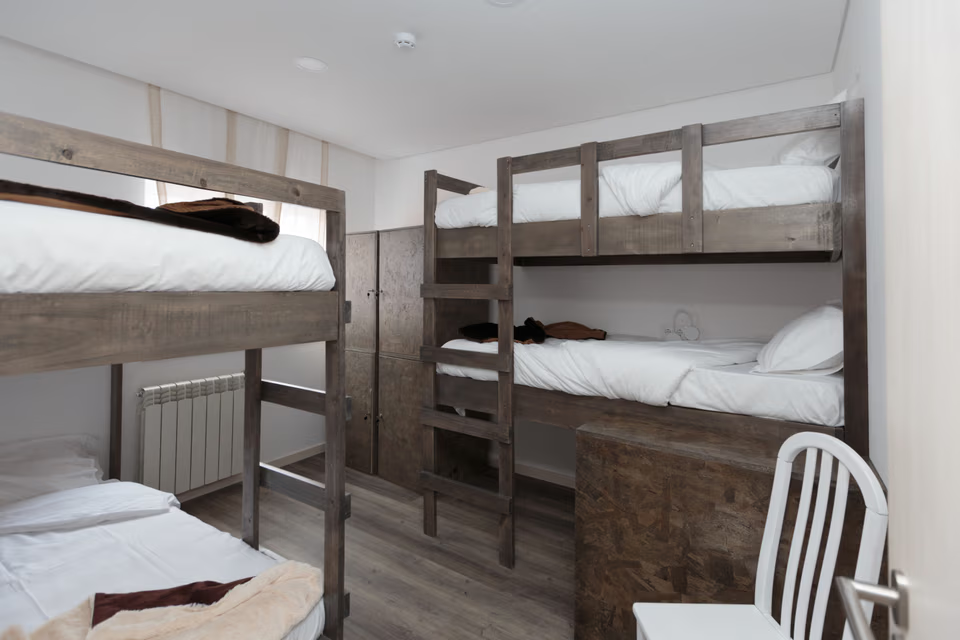 OpenReservations accepted
The Spot Hostel Ofir
- Top #2
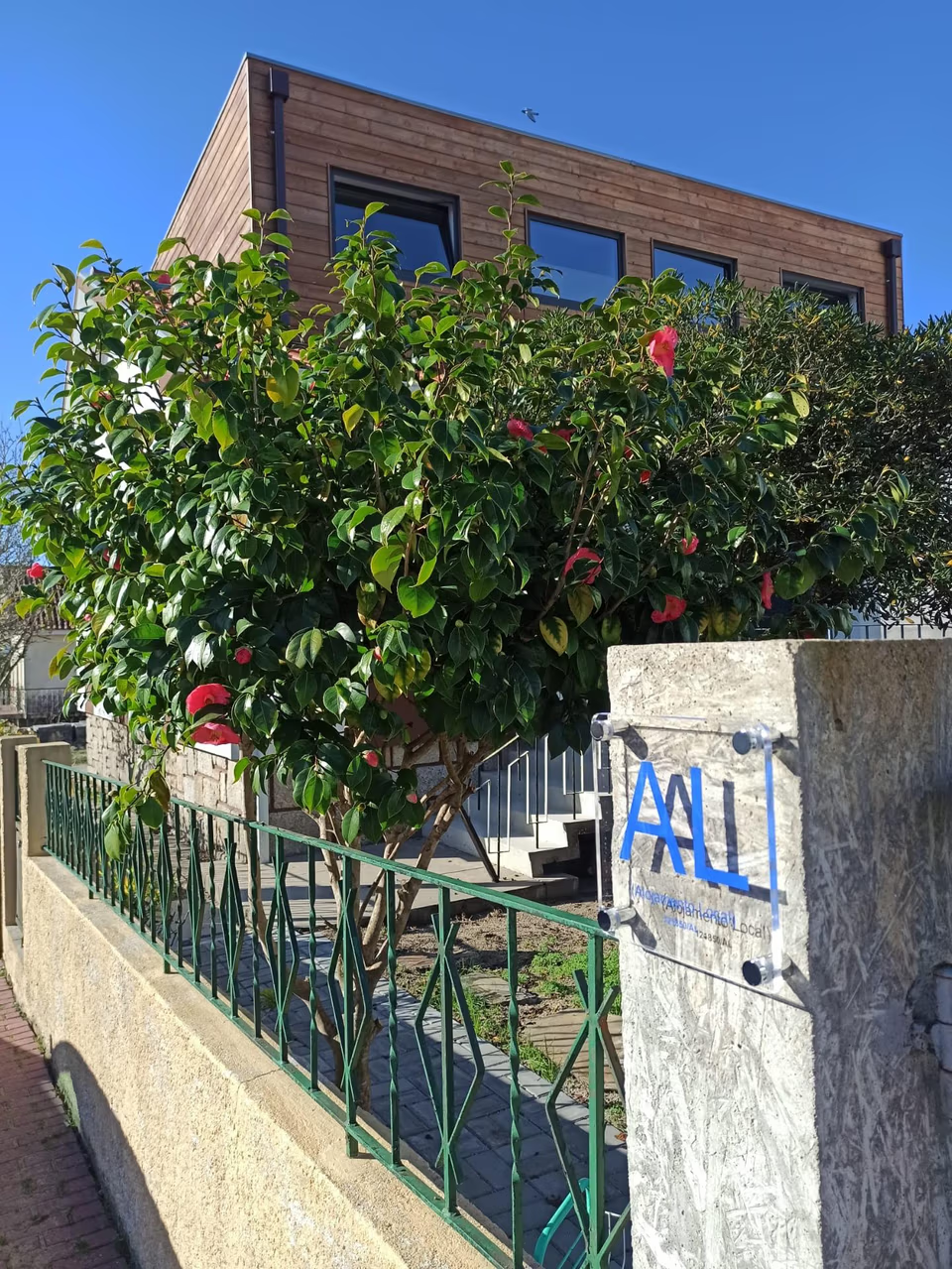 OpenReservations accepted
Hostel do Alto
- Top #3
 Open
Casa da Matriz


Services in Fão
What you can find in town before the next stage.
- ATM
- Café
- Shop
- Medical clinic
- Pharmacy
- Fountain
- Post office
- Restaurant
Source: © OpenStreetMap contributors · updated April 2026
Town 8 of 31