

Town on the Camino
Pobeña
Bizkaia, Euskadi, Spain
- places to stay
- 3
- Caminos
- 2
- Elevation
- 6 m
In Pobeña the Camino del Norte is back by the sea after Bilbao: a village at the mouth of the Barbadun next to La Arena beach, 11.8 kilometres after Portugalete. The hostel in the old village school counted more than 5,200 pilgrims in 2024. Tomorrow morning you walk on old ore tracks above the cliffs into Cantabria.
Right now in Pobeña (as of October 2026)
- Hostel on winter break: According to Albergues del Camino, the pilgrim hostel is open from 1 April to 18 October. Until spring there is no pilgrim bed in Pobeña; plan to walk straight from Portugalete to Castro-Urdiales, 32.3 kilometres.
How long to stay?
An afternoon is enough. The stage from Portugalete is short, and Pobeña is small. The afternoon belongs to the beach, the chapel and the marshes on the Barbadun. Sleeping here splits the long stretch to Castro-Urdiales and gives you the cliffs in the morning light tomorrow.
Pobeña in Ninja numbers
- 668.7 kilometres remain from here to Santiago on the Camino del Norte.
- 5,243 pilgrims stayed in the hostel in 2024; more than four in five came from abroad.
- 1,002 of them came from Germany, the largest group. You will rarely be the only German here.
- Around 120 steps lead from the beach up to the Senda Itsaslur. After that the path is flat.
- 20.5 kilometres with 672 metres of ascent take you to Castro-Urdiales tomorrow.
Arriving: from the cycle path to the beach
The cycle path from Portugalete brings you to La Arena beach. Keep to the left side of the road, past a picnic area, to the chapel of Nuestra Señora del Socorro. The hostel is in the former village school, around 350 metres off the way.
In brief: ore on the open sea
Pobeña belongs to the municipality of Muskiz, and this coast was mining country. In the 1870s a mining company built a railway that carried ore from Kobaron to a loading point at Punta del Castillo. There ships were loaded on the open sea, saving the fees and waiting times of the Bilbao estuary. Loading was only possible in calm weather, roughly from April to October. Mining ended in 1963. The railway line became the Senda Itsaslur, which you walk tomorrow.
Between beach and cliff: what to see
- Ermita de Nuestra Señora del Socorro: The 18th-century chapel stands right on the way. Tradition says a captain promised to build it if he survived a storm on the voyage from Havana to A Coruña. A vow made in distress at sea: pilgrims understand that kind of thing.
- Playa de La Arena: The beach is a few minutes from the hostel. Beyond it you see Punta Lucero.
- Marismas del Barbadun: The marshes at the river mouth lie right by the village. Near the marshes stand remains of an aerial ore tramway from La Arboleda.
- Senda Itsaslur and Punta del Castillo: The path on the old railway line runs along the cliffs. The loading point is protected heritage but damaged by the waves. Follow the signs and fences.
Honestly
- There is no shop. Pobeña has a bar with a restaurant and a cash machine, but no supermarket, no bakery and no pharmacy. Shop in Portugalete.
- The hostel is basic. No kitchen, only a fridge and a microwave, no Wi-Fi, no washing machine. Pilgrims report leaking showers.
- In winter there is no bed. From mid-October to April the hostel is closed. Then you are left with one expensive place in the village or the walk on to Castro-Urdiales.
Where pilgrims sleep
The Albergue de peregrinos de Pobeña belongs to the municipality of Muskiz and is run by volunteer hospitaleros from Bizkaia, who pay their own travel. It has 40 beds; in July and August 20 places in tents are added. You give a donation, disposable bedding is included. You cannot book, beds go by order of arrival, and you need a credencial. It is open from 15:00 to 22:00, and in the morning you must leave before 8:00 (as of August 2026). Apart from that, the village has only a country house and a holiday flat.
Ninja tips
- Breakfast at the bar. According to the hostel's page, the bar nearby opens at 6:30.
- Take water for tomorrow. Between Pobeña and Castro-Urdiales lie cliffs and a climb to 257 metres, and you already had no shop today.
- Keep right on the Itsaslur. Cyclists ride on the left, walkers keep to the right. Stay on the path; it has no lighting.
Onward: over the cliffs into Cantabria
A staircase leads from the beach up onto the old ore railway. The way follows it above the cliffs to Kobaron, passes under the expressway through the El Piquillo tunnel and reaches Cantabria. In Ontón, 5.9 kilometres after Pobeña, you are back at sea level. Then the official way climbs inland via Otañes to 257 metres and comes via Santullán and Sámano to Castro-Urdiales: 20.5 kilometres in total with 672 metres of ascent. A shorter alternative follows the national road.
What awaits you tomorrow
Castro-Urdiales, your first evening in Cantabria. Above the fishing harbour stand a Gothic church and a castle that became a lighthouse.
Deep dive: The ore and the vow
A short read, in case you want to learn more about Pobeña. About two minutes' reading.
Ships below the cliff
The coast between Pobeña and Kobaron looks today as if it were made for walkers. A hundred and fifty years ago it was a workplace. In the 1870s a mining company laid a railway that carried ore from the mines of Kobaron to Punta del Castillo. There it was loaded straight onto the ships, out on the open sea. In the Bilbao estuary more than twenty other loading points were waiting at the time, with fees and delays. Here it was quicker, but only when the sea allowed it, roughly from April to October. In 1963 it was over. What remains is the track you walk on and the ruins of the loading point, which the waves keep gnawing at.
A promise in the storm
Older than the railway is the small chapel by the way. In the eighteenth century, so the story goes, a captain was caught in a storm on the voyage from Havana to A Coruña. He promised to build a chapel to the Mother of God if he survived. He survived, and the chapel is still called Nuestra Señora del Socorro, Our Lady of Help.
What Pobeña gives you
Since Bilbao you have walked through cities. Here you smell the sea again, and in the evening you sit with people from half the world in an old village school. Volunteers have made your bed, and they ask nothing for it. Tomorrow you walk on a path that ore built, past a chapel that fear built. Both carry you on.
Where to stay in Pobeña
Places to stay in Pobeña.
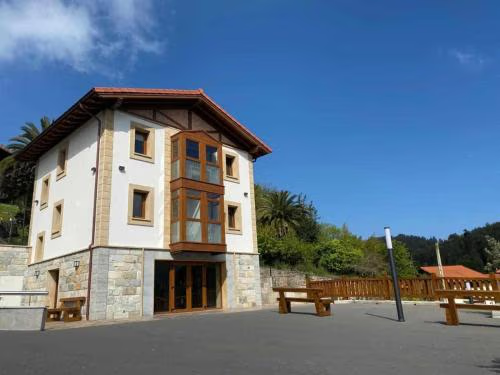 OpenReservations accepted
Casa Rural Mugarri
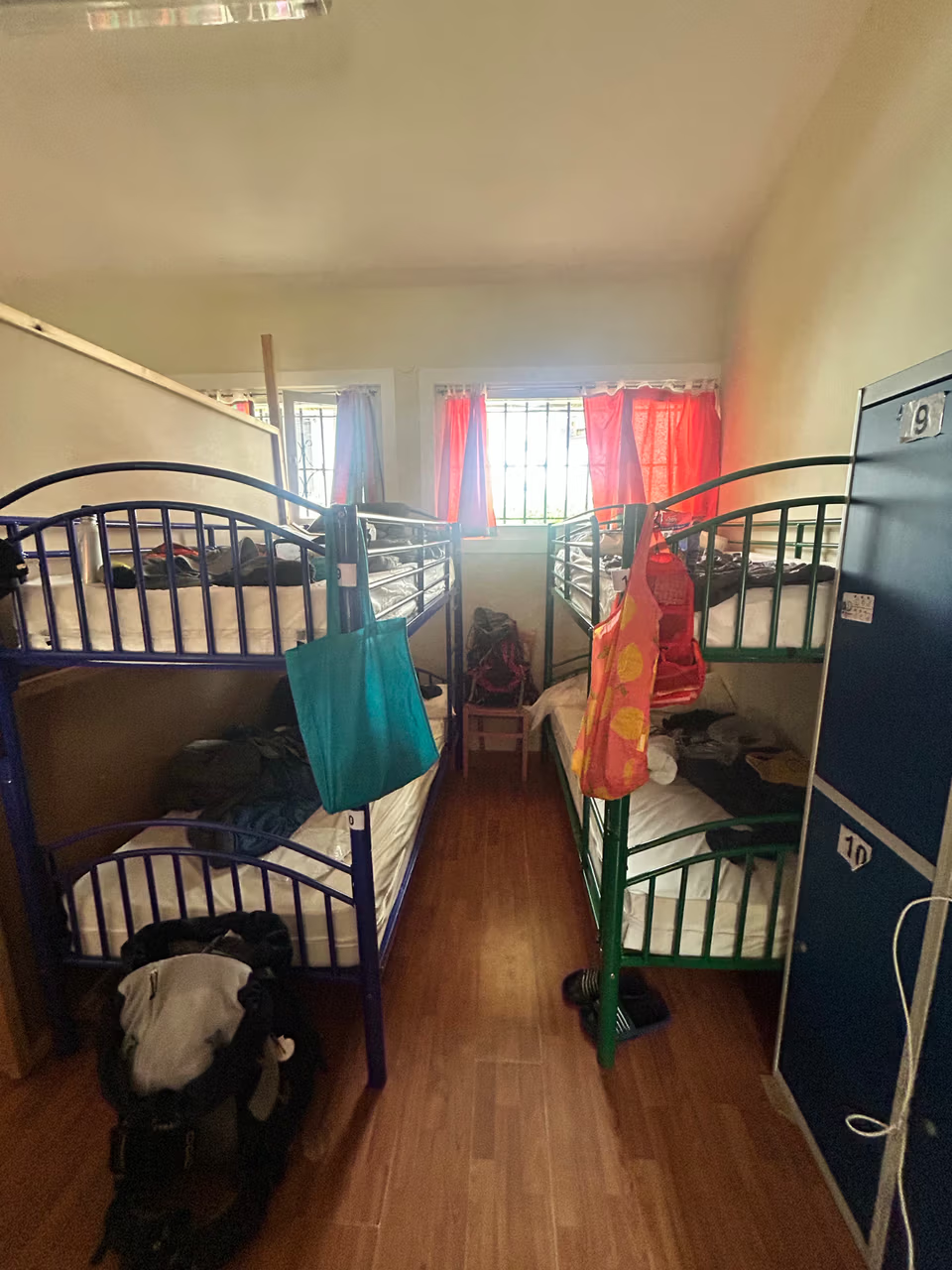 ClosedReservations not accepted
Albergue Pobeña
MicrowaveWashing MachineTumble DryerAnd more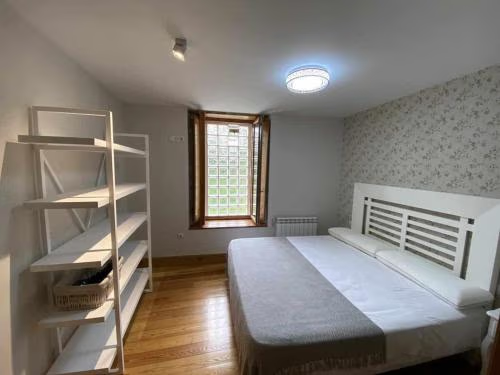 OpenReservations accepted
Camino del Norte Vivienda Turística
Services in Pobeña
What you can find in town before the next stage.
- Café
- Shop
- Fountain
- Train station
- Restaurant
Source: © OpenStreetMap contributors · updated February 2026
Town 15 of 49